

Are you tired of spending hours on repetitive tasks in your desktop apps, but frustrated because there’s no API to help you automate the process? You’re not alone.
Many users face this challenge, thinking automation is out of reach without complex coding or official APIs. What if you could automate those tedious, data-heavy tasks quickly and easily, without any technical roadblocks? That’s exactly where Robomotion RPA steps in. This powerful tool lets you automate desktop applications seamlessly—even if they don’t offer an API. Imagine freeing up your time and boosting your productivity by letting Robomotion handle manual work for you. Ready to see how it works? Check out Robomotion RPA here and transform the way you work: Robomotion RPA. Keep reading to discover how you can automate your desktop apps effortlessly, no API needed.
Introduction To Automating Desktop Apps Without Apis
Automating desktop applications can boost productivity by reducing repetitive manual work. Many desktop apps do not offer APIs for automation. This makes automation more difficult but still possible. Using tools like Robomotion RPA, users can automate tasks without APIs. This method uses direct interaction with the app’s interface. It mimics mouse clicks, keyboard inputs, and screen recognition. Such automation helps save time and reduce human error.
Understanding The Challenges Of Api-less Desktop Automation
Automating without APIs presents unique challenges. Desktop apps often lack structured ways to control them externally. This means automation tools must rely on the user interface elements. Key challenges include:
- UI Changes: Updates to the app’s interface can break automation scripts.
- Complex Navigation: Automating multi-step workflows requires precise control.
- Screen Resolution Dependency: Variations in screen size or layout may affect automation accuracy.
- Limited Feedback: No direct data exchange with the app, harder to verify actions.
Overcoming these requires robust tools and careful script design.
Why Automate Desktop Applications Without Relying On Apis?
Many desktop applications do not provide APIs or SDKs for automation. Reasons to automate without APIs include:
- Legacy Software: Older apps often lack API support.
- Cost Efficiency: Avoids expensive integration or custom development.
- Quick Setup: Automation can start without waiting for developer support.
- Universal Access: Works on almost any desktop app regardless of technology.
Robomotion RPA offers a low-code approach for such cases. It simulates user actions like clicks and keystrokes. This enables automation where APIs are missing or incomplete.
Overview Of Common Use Cases And Workflow Benefits
Automation without APIs fits many scenarios. Some common use cases include:
| Use Case | Description | Workflow Benefit |
|---|---|---|
| Data Entry | Inputting data from spreadsheets into desktop apps. | Speeds up tedious manual input, reduces errors. |
| Report Generation | Automating report creation from various desktop tools. | Ensures consistency and saves time. |
| Testing and Validation | Running repetitive test cases on desktop software. | Improves test coverage and reliability. |
| File Management | Automating file operations like moving and renaming. | Reduces manual effort and mistakes. |
These workflows benefit from automation by:
- Increasing speed of task execution.
- Reducing manual errors in repetitive tasks.
- Freeing up staff time for higher-value work.
- Creating consistent results every run.

Credit: kumopartners.com
Key Features Of Desktop Automation Without Apis
Automating desktop applications without APIs allows control over software without built-in integration points. This method relies on simulating user actions and interpreting screen content. It suits apps lacking official APIs or with limited automation support. Such automation handles repetitive, manual tasks efficiently, boosting productivity.
Here are the essential features that make desktop automation without APIs effective and versatile.
Ui Event Simulation: Mimicking User Interactions For Seamless Automation
UI event simulation copies human actions on the desktop. This includes clicks, keystrokes, mouse movements, and window controls.
- Mouse clicks: Left, right, double clicks on buttons or menus.
- Keyboard input: Typing text, shortcuts, hotkeys.
- Window control: Opening, resizing, minimizing, or closing apps.
This approach makes automation feel natural and reliable. It works even when apps have no programmable interface.
Cross-platform Compatibility: Automating Windows, Macos, And Linux Apps
Automation tools can work on multiple operating systems. This broad support means one script can automate apps on Windows, macOS, and Linux.
| Platform | Automation Capability | Common Tools |
|---|---|---|
| Windows | Full UI event simulation and scripting | AutoHotKey, Robomotion RPA |
| macOS | Keyboard and mouse automation with visual aids | Nutjs, AppleScript |
| Linux | Scripted control via UI and command line | Nutjs, xdotool |
Cross-platform support allows flexible automation strategies for diverse environments.
Script-based Automation: Leveraging Tools Like Autohotkey And Nutjs
Scripts form the backbone of automation without APIs. They define sequences of UI events to execute tasks.
- AutoHotKey: Popular on Windows for easy scripting of shortcuts and mouse actions.
- Nutjs: Node.js-based tool supporting cross-platform desktop automation with visual recognition.
Scripts are easy to write and modify. They help automate repetitive workflows without deep programming knowledge.
Visual Recognition And Ai-powered Interaction For Dynamic Ui Elements
Visual recognition reads the screen to find UI elements by appearance. AI-powered tools improve accuracy and handle changing interfaces.
- Detect buttons, menus, and icons by image matching.
- Adapt to UI changes without code updates.
- Enable automation on apps without fixed element IDs.
This feature is crucial for dynamic or legacy desktop applications.
Integration With Existing Testing Frameworks Without Api Dependencies
Automation without APIs fits easily into current testing setups. It complements frameworks by simulating user behavior.
- Works alongside Selenium, Appium, or custom test suites.
- Allows end-to-end testing without backend access.
- Reduces reliance on fragile API hooks or SDKs.
This approach enables robust, reliable testing of desktop applications in diverse environments.
Pricing And Affordability Of Popular Automation Tools
Automation tools vary widely in cost, from free open-source projects to premium commercial software. Understanding pricing helps choose the right tool for your needs. Budget and project size often guide which solution fits best. This section breaks down popular automation tools by pricing and affordability.
Free And Open-source Solutions: Cost-effective Options For Beginners
Free and open-source automation tools offer a great start without upfront costs. They suit beginners and small projects well. These tools often support desktop automation by simulating user actions like mouse clicks and keyboard inputs.
- AutoHotkey: A popular free scripting language for Windows automation.
- Nut.js: Cross-platform, open-source tool for UI automation using JavaScript.
- AskUI: Automates Windows, macOS, Linux, and browsers without APIs.
Free tools require time to learn and may lack advanced features. Support mostly comes from community forums.
Commercial Tools Pricing Overview: Features Vs. Investment
Commercial automation tools offer advanced features, support, and ease of use. Pricing varies based on features, user seats, and deployment type.
| Tool | Pricing Model | Key Features | Ideal For |
|---|---|---|---|
| Robomotion RPA | Subscription-based, starting from affordable tiers | Automates repetitive, data-heavy desktop tasks without API | Small to medium businesses needing quick automation |
| Blue Prism | Custom pricing, enterprise-focused | Robust RPA with extensive integrations | Large enterprises with complex workflows |
| Cypress.io | Free core, paid plans for advanced features | Web automation with easy setup | Developers automating browser-based apps |
Investment in commercial tools pays off with better reliability and support. Choose based on feature needs and project complexity.
Cloud-based Vs. Local Automation: Cost Implications
Cloud-based automation tools charge for hosting and scalability. They reduce local infrastructure costs but may add ongoing fees.
- Cloud Automation: Monthly or usage-based pricing. Easy scaling and remote access.
- Local Automation: One-time purchase or subscription. Requires own hardware and maintenance.
Cloud options suit teams needing collaboration and remote work. Local tools fit users with fixed budgets and privacy concerns.
Choosing The Right Tool Based On Budget And Project Scale
Select tools by balancing cost, features, and project size. Beginners benefit from free or low-cost tools with active communities.
Mid-sized projects may need affordable commercial tools like Robomotion RPA. Large projects call for enterprise-grade solutions.
- Define automation goals clearly.
- Estimate budget and timeline.
- Compare tool features against requirements.
- Consider support and learning curve.
This approach ensures the chosen tool fits both budget and project needs effectively.

Credit: www.youtube.com
Pros And Cons Based On Real-world Usage
Automating desktop apps without API access offers unique benefits and challenges. Real users find it flexible but notice some reliability and maintenance concerns. Understanding these pros and cons helps in choosing the right automation approach.
Advantages: Flexibility, No Need For Api Access, And Broad Compatibility
Flexibility is a key benefit of automating desktop apps without APIs. This method works by simulating user actions, allowing automation across many apps regardless of their internal design.
- No need to wait for developers to provide API endpoints.
- Supports automation of legacy or closed-source applications.
- Can handle graphical user interface (GUI) elements directly.
No Need for API Access means automation is possible even when APIs are missing or limited. This opens up automation for many enterprise apps and custom tools.
Broad Compatibility covers multiple platforms like Windows, macOS, and Linux. Automation tools simulate keystrokes, mouse clicks, and window events, making them versatile in different environments.
Limitations: Potential Reliability Issues And Maintenance Challenges
Automating without APIs can lead to potential reliability issues. UI changes or screen resolution shifts may break automation scripts.
- Automation depends on visual elements that may change over time.
- Unexpected pop-ups or delays can cause failures.
Maintenance challenges arise as scripts need regular updates to match app changes. This increases long-term effort and cost.
| Issue | Impact |
|---|---|
| UI Element Changes | Scripts must be revised frequently |
| Screen Resolution Variations | Automation may misclick or fail |
| Unexpected Dialogs | Can halt automation flow |
Performance Considerations When Automating Complex Desktop Workflows
Automating complex workflows without APIs can affect performance. Simulating user actions is slower than API calls.
- Tasks like data entry or report generation may take longer.
- High-frequency automation demands can overload the system.
- Scripts should include error handling and wait times.
Optimizing workflow design and avoiding unnecessary steps improves speed and stability.
Community Support And Learning Curve Insights
Community support varies by the automation tool. Popular tools like Robomotion RPA offer forums and tutorials.
- Active communities share scripts and troubleshooting tips.
- Learning curve depends on user’s technical skills and tool complexity.
- Basic automation is easy to start; advanced features require more practice.
Users benefit from resources like video guides, templates, and user groups.
Ideal Users And Scenarios For Api-free Desktop Automation
API-free desktop automation suits users who need quick, simple automation without relying on complex integrations. It works well when desktop apps lack APIs or when fast deployment is key. This method lets users automate manual tasks by simulating mouse clicks, keyboard input, and screen reading.
Such automation fits diverse scenarios where traditional API-based solutions fall short. The following sections highlight key users and situations that benefit most from API-free desktop automation.
Small And Medium Businesses Seeking Rapid Workflow Automation
Small and medium businesses often need to automate repetitive tasks swiftly. They may use desktop apps without APIs or have limited IT resources. API-free automation helps them:
- Save time by automating data entry and report generation
- Reduce errors caused by manual copying and pasting
- Deploy fast without waiting for custom API development
Tools like Robomotion RPA enable these businesses to create automation workflows easily. This reduces workload and improves efficiency without deep technical skills.
Qa Teams Testing Legacy Applications Without Api Support
Quality assurance teams often test legacy desktop applications lacking APIs. They face challenges automating test cases and verifying app behavior. API-free automation helps QA teams by:
- Simulating user interactions like clicks, typing, and navigation
- Recording and replaying workflows to test app responses
- Running tests across multiple environments without code changes
This method allows thorough testing of old applications without modifying the software. It improves test coverage and speeds up release cycles.
Developers Automating Repetitive Tasks On Local Machines
Developers often perform repetitive tasks like file management, data formatting, or app launching on their local machines. API-free automation helps them:
- Automate routine tasks with simple scripts or drag-and-drop tools
- Save time by avoiding manual repetition
- Integrate automation into existing workflows without complex setup
Using solutions such as Robomotion RPA, developers create quick automation scripts without needing API access. This boosts productivity and reduces errors.
Organizations Needing Automation Across Multiple Operating Systems
Some organizations use different operating systems like Windows, macOS, and Linux. They require automation that works on all platforms without API dependence. API-free automation offers:
| Feature | Benefit |
|---|---|
| Cross-platform support | Automate apps on Windows, macOS, and Linux uniformly |
| UI-based automation | Works without APIs by simulating user actions |
| Flexible deployment | Run automation on different machines with minimal changes |
This approach simplifies automation in diverse IT environments. It ensures consistent task execution across various platforms.

Credit: www.youtube.com
Effortless Workflow Hacks To Maximize Automation Efficiency
Automating desktop applications without APIs can be tricky. Yet, smart workflow hacks make it simple and efficient. Combining different tools and methods helps achieve strong automation without complex coding. These tips cut down manual work and boost productivity.
Combining Ui Event Scripts With Visual Ai For Robust Automation
UI event scripts mimic mouse clicks and keyboard inputs to control apps. Visual AI adds recognition of screen elements by images or patterns. Together, they create flexible automation that adapts to UI changes.
- UI Event Scripts: Send commands like clicks or typing to app windows.
- Visual AI: Detect buttons, icons, or text visually, even if UI changes.
- Hybrid Approach: Use scripts for actions, Visual AI for locating elements.
This blend reduces errors and increases the automation’s reliability.
Best Practices For Maintaining Automation Scripts Without Apis
Automation without APIs needs regular care. Simple maintenance keeps scripts working smoothly over time.
- Use Clear Naming: Name variables and steps clearly for easy updates.
- Modular Design: Break scripts into small parts to fix or update quickly.
- Regular Testing: Run scripts often to catch UI changes early.
- Document Changes: Keep notes on script edits and UI updates.
- Use Error Handling: Add fallback steps to manage unexpected pop-ups or delays.
Leveraging Community Resources And Pre-built Automation Libraries
Many automation tools and scripts are shared by communities. Using these resources saves time and effort.
| Resource Type | Benefit | Example |
|---|---|---|
| Open-source Libraries | Ready-made scripts for common tasks | AutoHotKey scripts, Python automation packages |
| Online Forums | Advice and troubleshooting help | Stack Overflow, Reddit automation threads |
| Video Tutorials | Step-by-step automation guides | YouTube channels for desktop automation |
Explore these sources to improve automation workflows without APIs.
Integrating Desktop Automation With Cloud Services And Rpa Tools
Connecting desktop automation to cloud and RPA platforms extends capabilities and control.
- Cloud Storage: Sync data and logs for remote access.
- RPA Platforms: Use tools like Robomotion RPA to schedule and manage desktop tasks.
- API Bridges: Link desktop automation outputs with cloud APIs indirectly.
- Centralized Monitoring: Track automation status and errors in one place.
This integration optimizes task flow and supports team collaboration.
Conclusion: Unlocking The Potential Of Api-free Desktop Automation
Automating desktop applications without APIs allows businesses to streamline tasks without complex coding. This approach suits apps lacking official APIs or when API access is restricted. It opens new possibilities to automate repetitive, manual work efficiently.
Tools like Robomotion RPA enable users to automate data-heavy tasks across Windows, macOS, and Linux. They simulate user actions, removing the need for API integration. This saves time and reduces human error in everyday workflows.
Summarizing Key Benefits And Use Cases
- Broad compatibility: Works with any desktop app regardless of API availability.
- Cost-effective: No need for expensive API development or access licenses.
- Faster deployment: Automation can begin quickly by simulating UI interactions.
- Flexibility: Supports complex workflows involving multiple apps and data sources.
- Use cases: Data entry, report generation, testing, and legacy system automation.
Future Trends In Desktop Automation Without Apis
Automation tools will increasingly use AI to understand and interact with desktop interfaces. This reduces manual setup and improves accuracy in dynamic UI environments.
Integration with cloud services will expand, enabling hybrid automation that combines desktop and web tasks seamlessly.
More low-code and no-code platforms will emerge, empowering non-technical users to build automation flows.
| Trend | Impact |
|---|---|
| AI-Powered UI Recognition | Improves automation accuracy and ease of use |
| Hybrid Automation | Combines desktop and cloud workflows |
| No-Code Platforms | Enables broader user base to create automations |
Final Recommendations For Getting Started Successfully
- Identify repetitive tasks that consume time and are rule-based.
- Choose user-friendly tools like Robomotion RPA for quick setup.
- Start small: Automate simple workflows first to gain confidence.
- Test thoroughly: Ensure automation handles various scenarios without errors.
- Document your processes to maintain and update automations easily.
Focus on tasks involving heavy manual data entry and integration across apps. This creates immediate value and builds a foundation for scaling automation efforts.
Frequently Asked Questions
What Is Desktop App Automation Without An Api?
Desktop app automation without an API involves controlling apps via UI actions. It simulates mouse clicks, keystrokes, or image recognition to interact with the app. This method is useful when APIs are unavailable or limited.
Which Tools Help Automate Desktop Apps Without Apis?
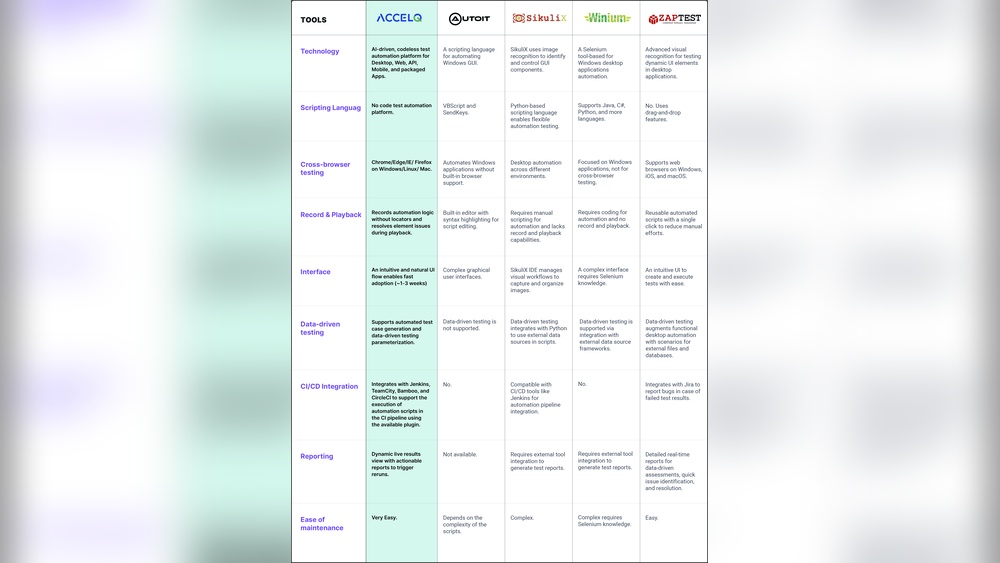
Popular tools include AutoHotkey, Sikuli, and Nut. js. These simulate user inputs or use visual elements for automation. They work across Windows, macOS, and Linux without requiring API access.
How Can I Automate Apps Without Programming Skills?
Low-code RPA tools like UiPath or Automation Anywhere offer visual workflows. They enable automation by recording actions or using drag-and-drop interfaces, perfect for non-developers automating desktop apps without APIs.
Are There Limitations To Api-less Desktop Automation?
Yes, automation relying on UI can break with app updates or layout changes. It may be slower and less reliable than API-based methods. Proper error handling and maintenance are essential.
Conclusion
Automating desktop apps without an API saves time and reduces errors. Robomotion RPA helps automate repetitive tasks easily. It works well for data-heavy jobs and manual processes. This tool uses smart automation without complex coding. Try Robomotion RPA to boost your workflow efficiency. Learn more about it here: Robomotion RPA. Simple automation can improve daily work and free up your time. Start automating desktop apps now and see the difference.
