

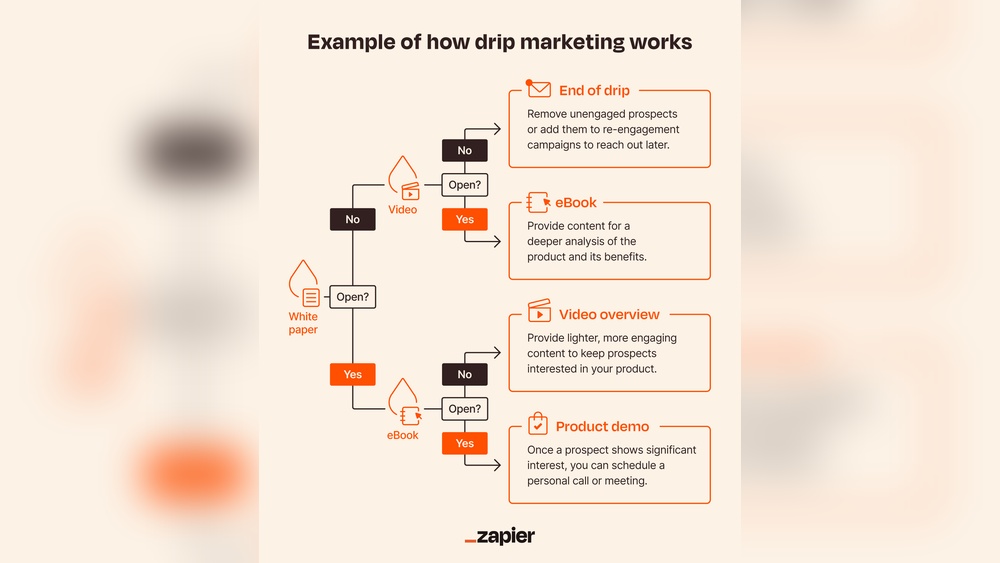
If you want to grow your business and keep your customers engaged without lifting a finger every day, email marketing drip campaigns are your secret weapon. Imagine sending the right message at the right time to your audience automatically—welcoming new subscribers, reminding shoppers about abandoned carts, or nurturing leads until they’re ready to buy.
Sounds powerful, right? The best part is, you don’t need to be a tech expert to set it up. With tools like SendFox, creating smart, automated drip campaigns becomes simple and affordable. You’ll save time, build stronger relationships with your subscribers, and watch your sales grow—all while focusing on what you do best. Ready to discover how email marketing drip campaigns can transform your business? Keep reading to unlock the strategies that work.
Introduction To Email Marketing Drip Campaigns
Email marketing drip campaigns send a series of automated emails to prospects or customers. These emails go out based on specific actions or time intervals. The goal is to nurture leads, build trust, and guide recipients toward making a purchase.
Drip campaigns deliver timely, relevant content without overwhelming the recipient. This method helps businesses stay connected and increase conversions by sending the right message at the right moment.
What Are Drip Campaigns And How They Work
Drip campaigns are automated email sequences. They trigger based on user behavior or set dates. For example:
- Signing up for a newsletter
- Abandoning a shopping cart
- Completing a purchase
Once triggered, emails are sent in a planned order. Each email builds on the previous one, guiding the recipient through the customer journey.
Common types include:
- Welcome series
- Onboarding sequences
- Reminder emails
The Role Of Automation In Modern Email Marketing
Automation makes drip campaigns easy and efficient. It saves time by sending emails automatically. Marketers set up rules and schedules, then let the system do the work.
Automation ensures:
- Consistent communication
- Personalized content delivery
- Improved customer engagement
Tools like SendFox help create and manage these campaigns with simple workflows. This allows marketers to focus on content and strategy rather than manual sending.
Why Drip Campaigns Are Essential For Boosting Sales
Drip campaigns increase sales by nurturing leads step-by-step. They keep your brand top of mind and encourage action. Benefits include:
| Benefit | How It Helps Sales |
|---|---|
| Lead Nurturing | Builds trust by sending helpful content over time |
| Customer Engagement | Keeps customers interested and informed |
| Conversion Timing | Sends offers when prospects are ready to buy |
| Reduced Churn | Maintains relationships to lower customer loss |
With drip campaigns, businesses can turn prospects into paying customers by sending the right messages at key moments.
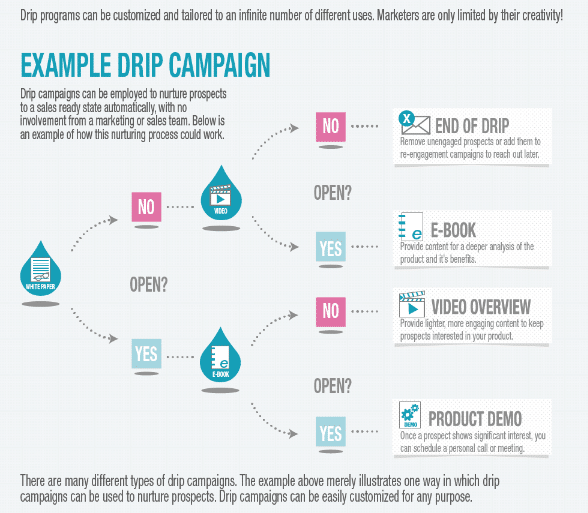
Credit: referralrock.com
Key Features Of Email Marketing Drip Campaigns
Email marketing drip campaigns use automated emails sent over time. They target customers based on specific actions or timings. These campaigns build trust, engage users, and improve sales by delivering relevant content step-by-step.
Understanding the key features helps create effective campaigns that reach the right audience at the right time.
Trigger-based Automation: Delivering Timely And Relevant Emails
Trigger-based automation sends emails automatically when a user takes an action. Examples include:
- Signing up for a newsletter
- Abandoning a shopping cart
- Completing a purchase
This ensures messages arrive exactly when customers need them. It saves time and increases engagement by being relevant and timely.
Personalization And Segmentation: Enhancing Customer Engagement
Personalization customizes emails based on user data like name, location, or past behavior. Segmentation divides the audience into groups with similar interests or needs.
Benefits include:
- Improved open and click rates
- Stronger customer relationships
- Higher conversion rates
Sending tailored content makes customers feel valued and understood.
Pre-built Templates And Customization Options For Efficiency
Pre-built templates offer ready-made email designs. They save time and maintain professional looks.
Customization options let users adjust:
- Colors and fonts
- Images and logos
- Content blocks and buttons
This balance between ready-to-use and custom design speeds up campaign creation while keeping brand identity strong.
Analytics And Reporting: Measuring Campaign Performance
Analytics track key metrics like:
| Metric | Purpose |
|---|---|
| Open Rate | Shows how many people read the emails |
| Click-Through Rate | Measures clicks on links inside emails |
| Conversion Rate | Counts actions like purchases or signups |
| Bounce Rate | Indicates emails not delivered |
These insights help improve future campaigns by understanding what works best.
Integration With Other Marketing Tools And Platforms
Integration connects drip campaigns with tools like:
- Customer Relationship Management (CRM) systems
- Social media platforms
- Analytics software
- E-commerce platforms
This ensures seamless data flow and a unified marketing strategy. It makes managing campaigns easier and more effective.
Pricing And Affordability Of Drip Campaign Tools
Email marketing drip campaigns require reliable tools that fit your budget. Choosing the right platform depends on features, pricing, and business needs. Understanding costs helps you plan campaigns without overspending.
Many drip campaign tools offer tiered pricing to match different user levels. Some platforms include free trials or budget-friendly plans for small businesses. This section breaks down popular tools and their pricing to guide your decision.
Overview Of Popular Drip Campaign Platforms And Their Pricing Models
Popular drip campaign tools vary in pricing structure. Most use monthly subscriptions, charging based on subscriber count or features. Here are examples of common platforms and their pricing models:
| Platform | Pricing Model | Starting Price | Key Features |
|---|---|---|---|
| Constant Contact | Tiered by plan type | $12/month (Lite) | Email automation, templates, support |
| SendFox | Flat monthly fee | $49/month | Unlimited emails, simple automation |
| HubSpot | Free tier + paid plans by contacts | Free basic plan | CRM integration, advanced automation |
Comparing Plans: From Beginner To Professional Levels
Plans differ by features and subscriber limits. Beginners pay less but get basic tools. Professionals pay more for advanced automation and analytics.
- Beginner Plans: Low cost, limited contacts, essential automation.
- Intermediate Plans: More contacts, added integrations, improved support.
- Professional Plans: High contact limits, full automation, priority support.
Choosing the right plan depends on email volume and campaign complexity. Start small and upgrade as your needs grow.
Cost-benefit Analysis: Maximizing Roi With Automation
Automation reduces manual work and boosts email engagement. Investing in drip tools can increase sales and save time.
Consider these benefits:
- Higher open rates from timely, relevant emails.
- Better lead nurturing through personalized sequences.
- Increased conversions with targeted messaging.
- Reduced workload via automated triggers.
Even mid-priced plans often pay off by improving customer retention and sales growth.
Free Trials And Budget-friendly Options For Small Businesses
Many platforms offer free trials or free tiers to test features. This helps small businesses try tools without risk.
- Constant Contact: Free trial available, starts at $12/month.
- HubSpot: Free plan with basic automation and CRM.
- SendFox: Affordable flat rate with unlimited emails.
Choose a tool with scalable pricing and easy upgrades. Budget-friendly options keep costs low while growing your email list.
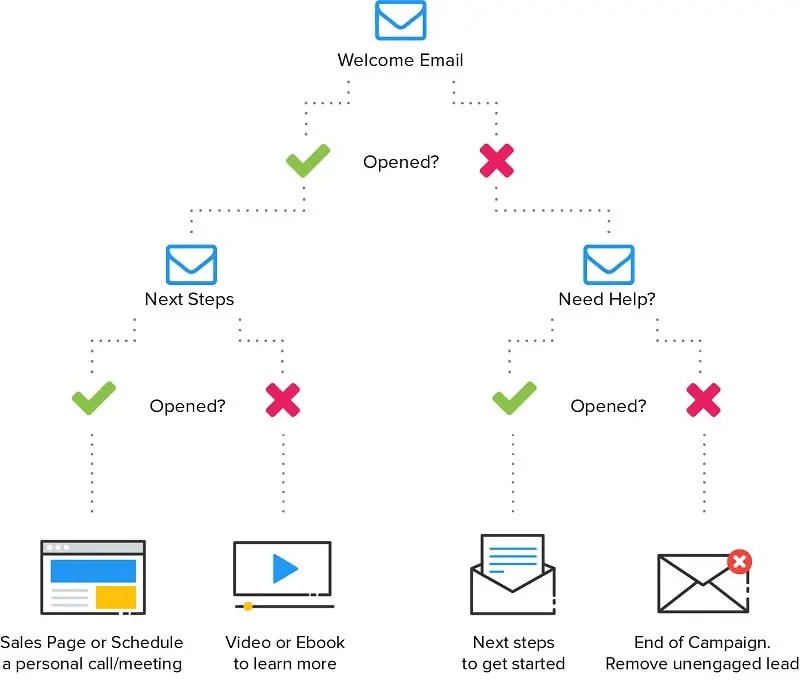
Credit: wishpond.com
Pros And Cons Of Email Marketing Drip Campaigns
Email marketing drip campaigns send a series of automated emails over time. They target customers based on actions like signing up or abandoning a cart. These campaigns help build relationships and guide leads toward purchase. Understanding their advantages and challenges helps create better campaigns.
Advantages: Increased Engagement, Lead Nurturing, And Sales Growth
Drip campaigns increase email engagement by sending timely, relevant messages. They keep your audience interested without overwhelming them.
- Increased Engagement: Emails reach customers when they are most receptive.
- Lead Nurturing: Campaigns educate and build trust with prospects gradually.
- Sales Growth: By guiding leads through the funnel, drip campaigns boost conversions.
These benefits help maintain steady communication and improve customer loyalty.
Challenges: Initial Setup Complexity And Potential Over-automation
Setting up drip campaigns can be complex at first. Planning triggers, timing, and content takes time and effort.
- Initial Setup Complexity: Designing workflows and writing sequences require skill.
- Potential Over-Automation: Too many automated emails risk annoying recipients.
Balancing automation with personalization is key to avoid losing audience interest.
Common Pitfalls To Avoid For Effective Campaigns
Some mistakes reduce the impact of drip campaigns. Avoid these pitfalls to improve results:
- Ignoring Customer Behavior: Tailor emails to recipient actions and preferences.
- Sending Too Often: Space emails to prevent fatigue.
- Lacking Clear Goals: Define what each email should achieve.
- Neglecting Testing: Use A/B tests to find what works best.
- Weak Calls to Action: Make CTAs clear and easy to follow.
Following these tips keeps campaigns effective and audience engaged.
Ideal Use Cases And Recommendations
Email marketing drip campaigns work best when tailored to specific goals and audiences. They automate communication by sending targeted emails at timed intervals. This method nurtures leads and guides customers through their journey with relevant messages. Smart use of drip campaigns saves time while increasing engagement and sales.
Best Scenarios For Implementing Drip Campaigns: Welcome Series, Cart Abandonment, Onboarding
Welcome Series helps new subscribers feel valued. A sequence of friendly introduction emails sets the tone and builds trust. It often includes:
- A thank you message
- Brand story or mission
- Highlight of popular products or services
- Call to action for first purchase or engagement
Cart Abandonment targets shoppers who leave items without buying. Timely reminders can recover lost sales. Typical emails:
- Reminder of items left in cart
- Incentives like discounts or free shipping
- Social proof or customer reviews
Onboarding supports new customers or users. It introduces features, benefits, or how-tos step by step. This reduces confusion and boosts satisfaction. Onboarding drip emails often include:
- Getting started guides
- Tips for better use
- FAQs and support links
Tailoring Campaigns For Different Industries And Business Sizes
Drip campaigns must match the business type and size for best results. For example:
| Business Type | Recommended Drip Campaign Focus | Example Content |
|---|---|---|
| E-commerce | Cart abandonment, product recommendations | Discount offers, new arrivals |
| SaaS | Onboarding, feature updates | How-to guides, upgrade prompts |
| Education | Course reminders, engagement tips | Lesson highlights, progress tracking |
Small businesses may prefer simple, short sequences. Larger companies can run complex, segmented campaigns.
Tips For Crafting High-converting Drip Email Sequences
- Clear Subject Lines: Make them direct and enticing.
- Personalization: Use names and tailor content to interests.
- Strong CTAs: Guide readers to the next step clearly.
- Mobile-Friendly Design: Ensure emails look good on phones.
- Consistent Tone: Keep brand voice uniform across emails.
- Short and Focused: One main idea per email works best.
How To Continuously Optimize Drip Campaigns For Better Results
Optimization is key to keeping drip campaigns effective. Use these methods:
- Track Metrics: Open rates, click rates, and conversions reveal performance.
- A/B Testing: Test subject lines, send times, and content formats.
- Segment Audience: Group subscribers by behavior or preferences.
- Update Content: Refresh emails based on feedback and trends.
- Monitor Unsubscribes: Adjust frequency or content to reduce churn.
Tools like SendFox simplify drip campaign setup and tracking. Automate sequences, segment lists, and analyze results in one place.
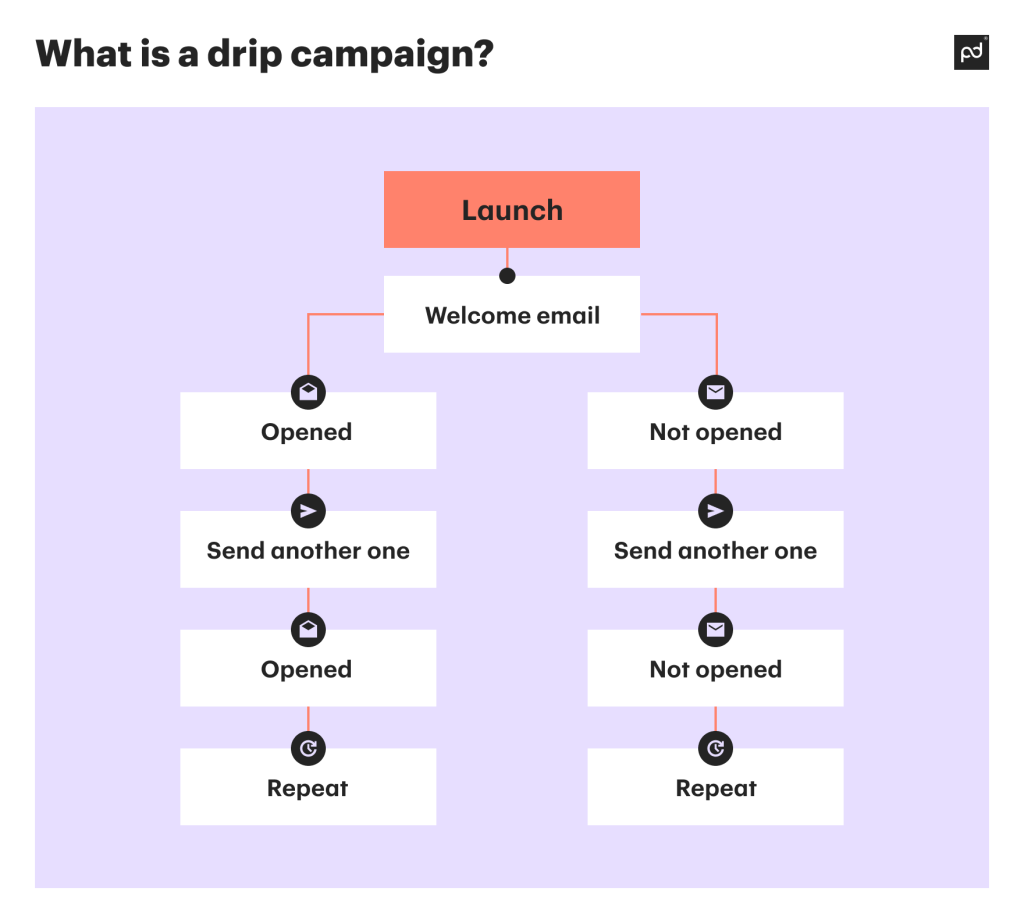
Credit: www.pandadoc.com
Frequently Asked Questions
What Is A Drip Campaign In Email Marketing?
A drip campaign in email marketing sends automated, scheduled emails based on user actions. It nurtures leads and boosts engagement.
What Is The Rule Of 7 In Email Marketing?
The rule of 7 in email marketing means a prospect must see your message at least seven times to take action. Consistent contact builds trust and increases conversions.
How Many Emails Should Be In A Drip Campaign?
A drip campaign typically contains 5 to 7 emails. This range nurtures leads effectively without overwhelming recipients. Adjust the number based on goals and audience engagement.
What Are The 5 T’s Of Email Marketing?
The 5 T’s of email marketing are Targeting, Timing, Testing, Tracking, and Tuning. These optimize campaign success and engagement.
Conclusion
Email marketing drip campaigns help you stay connected with your audience. They send timely, useful emails based on user actions. This keeps your messages relevant and helps build trust. Using tools like SendFox makes creating drip campaigns simple and effective. Start small, test your emails, and adjust as you learn. Consistency and value keep readers engaged over time. Drip campaigns are a smart way to grow your email list and boost sales. Try them to see steady results without extra effort.
