

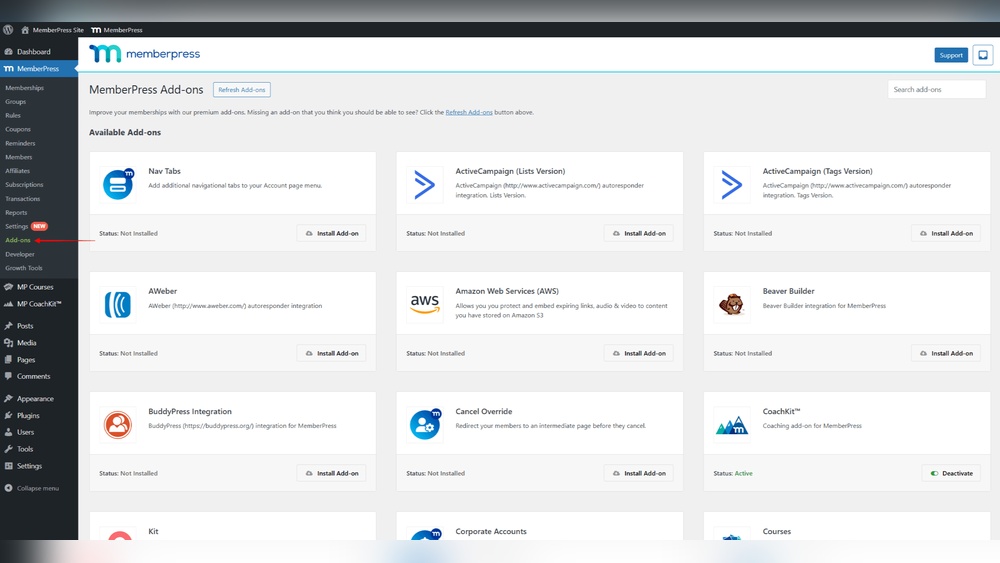
Are you struggling to find an email marketing platform that not only helps you send great emails but also connects smoothly with the other tools you use every day? Your campaigns deserve to work smarter, not harder.
That’s where SendFox comes in—a powerful yet simple email marketing platform designed with integrations that keep your workflow seamless. Imagine saving time by automating tasks and syncing your contacts without jumping between apps. Ready to boost your email game and get more done with less hassle? Discover how SendFox can transform your marketing efforts right now: Start using SendFox today. Keep reading to find out why integrations matter and how SendFox stands out from the crowd.
Introduction To Email Marketing Platforms With Integrations
Email marketing platforms have evolved beyond simple email sending tools. They now connect with many other business apps. This connection, called integration, helps businesses run smarter marketing campaigns. Integrations make email marketing more efficient and effective. They allow automatic data sharing between tools. This saves time and improves customer targeting.
SendFox is an example of an email marketing platform that supports multiple integrations. It helps users manage emails while syncing with other software. This boosts marketing results and saves effort.
What Is An Email Marketing Platform?
An email marketing platform is software designed to create, send, and track email campaigns. It helps businesses communicate with customers and leads. Features usually include:
- Custom email templates
- Contact list management
- Automation workflows
- Performance analytics
These platforms simplify reaching large audiences with personalized messages. They often include tools to improve email design and delivery rates.
The Role Of Integrations In Modern Email Marketing
Integrations connect email platforms with other business systems. Examples include:
- Customer Relationship Management (CRM)
- eCommerce platforms
- Analytics tools
- Social media
Integrations bring real-time data into email marketing. This helps tailor messages based on customer behavior. They also automate tasks like adding new contacts or syncing sales data.
For example, integrating SendFox with a CRM allows syncing customer details automatically. This keeps email lists updated without manual work.
How Integrations Boost Roi Quickly
Integrations increase the return on investment (ROI) by improving campaign accuracy and efficiency. Key benefits include:
| Benefit | Impact on ROI |
|---|---|
| Automated data syncing | Reduces errors and saves time |
| Personalized email content | Increases open and click rates |
| Improved lead tracking | Boosts sales conversions |
| Streamlined workflows | Enhances team productivity |
Using platforms like SendFox with integrations means businesses act faster on customer data. This leads to quicker results and better marketing performance.

Credit: umbrex.com
Key Features Of Email Marketing Platforms With Integrations
Email marketing platforms with integrations offer more than just sending emails. They connect with various tools to boost campaign success. These platforms help businesses reach the right audience, save time, and make smart decisions using data.
Integrated features improve personalization, automation, and multi-channel marketing. They allow seamless work with other apps like CRM, social media, and analytics tools. This section highlights the key features that make these platforms effective.
Seamless Crm Integration For Personalized Campaigns
Integrating with a Customer Relationship Management (CRM) system allows platforms to use customer data for targeted emails. Personalization increases engagement and conversion rates.
- Sync contacts and customer information in real time
- Segment audiences based on behavior and preferences
- Send tailored messages to improve customer experience
Automation Capabilities To Save Time And Increase Efficiency
Email platforms offer automation tools that reduce manual work. Setting up workflows lets marketers send emails triggered by user actions.
- Automate welcome emails, follow-ups, and cart reminders
- Schedule campaigns ahead of time
- Use drip campaigns to nurture leads steadily
Multi-channel Support Including Sms And Social Media
Effective platforms support multiple channels beyond email. SMS and social media messaging reach customers where they spend time.
- Send SMS alerts for promotions and updates
- Post on social platforms directly from the dashboard
- Maintain consistent messaging across channels
Advanced Analytics And Reporting For Data-driven Decisions
Data insights help improve marketing strategies. Platforms provide detailed reports on campaign performance.
| Feature | Benefit |
|---|---|
| Open and Click Rates | Measure engagement and content effectiveness |
| Conversion Tracking | See which campaigns drive sales or sign-ups |
| Audience Behavior | Understand preferences and adjust targeting |
User-friendly Interface And Ease Of Use
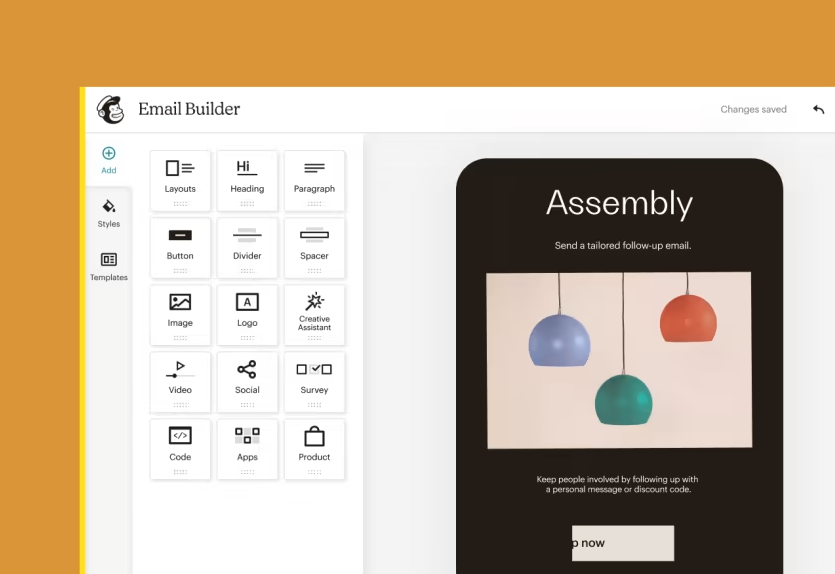
Platforms with simple interfaces reduce learning time. Drag-and-drop editors and clear menus help create campaigns quickly.
- Easy template customization
- Simple contact management
- Quick access to key features
Wide Range Of Third-party App Integrations
Connecting with other tools enhances functionality. Platforms support apps for sales, analytics, ecommerce, and more.
- Integrate with popular CRMs like HubSpot and Salesforce
- Connect ecommerce platforms like Shopify and WooCommerce
- Link with analytics tools such as Google Analytics
Pricing And Affordability Breakdown
Understanding the pricing structure of email marketing platforms is crucial for businesses. Pricing affects your budget and the range of features you receive. Platforms like SendFox offer different plans to fit various needs. This section breaks down common pricing models, compares free and paid plans, explains feature value, and explores scalability options.
Common Pricing Models In Email Marketing Platforms
Email marketing platforms usually follow one or more of these pricing models:
- Pay-as-you-go: You pay based on emails sent or contacts managed.
- Subscription plans: Monthly or yearly fees with set features and limits.
- Tiered pricing: Plans increase in cost as you add contacts or features.
- Freemium model: Basic features free, pay for upgrades or integrations.
SendFox offers a simple subscription plan with unlimited emails and affordable pricing.
Comparing Free Vs. Paid Plans With Integrations
| Feature | Free Plans | Paid Plans |
|---|---|---|
| Email Sends | Limited monthly sends | Unlimited or high limits |
| Contact Management | Basic list size limits | Large or unlimited lists |
| Integrations | Minimal or no integrations | Full access to tools like CRM, analytics, and more |
| Automation | Limited or no automation | Advanced automation workflows |
| Support | Community or email support | Priority and live support |
Free plans help start small campaigns but paid plans provide better integration options. Paid plans justify their cost by enabling smooth connections with other marketing tools.
Value For Money: What Features Justify The Cost
Features that add real value include:
- Robust integrations: Connect with CRMs, analytics, and e-commerce platforms.
- Automation capabilities: Save time by automating email sequences and triggers.
- Detailed analytics: Track opens, clicks, and conversions for smarter decisions.
- High deliverability: Ensure emails reach inboxes, not spam folders.
- Ease of use: Simple interfaces reduce learning time and errors.
SendFox offers many of these features at a low price, making it affordable without cutting important tools.
Scalability And Pricing For Growing Businesses
Scalable pricing means costs grow with your business size and needs.
- Start with a low-cost plan for small contact lists.
- Upgrade to higher tiers as your list grows.
- Access more integrations and automation at higher levels.
- Maintain control over budget by choosing plans that fit growth pace.
SendFox’s pricing remains competitive as businesses scale, offering unlimited emails and flexible contact limits.

Credit: www.businessbloomer.com
Pros And Cons Based On Real-world Usage
Choosing the right email marketing platform with integrations requires understanding its real-world strengths and weaknesses. Users benefit from seamless connections with other tools but also face challenges that impact workflow and results. This section explores practical advantages and potential drawbacks of integrated platforms, informed by user feedback and case studies.
Advantages Of Integrated Email Marketing Platforms
- Centralized Data Management: Integration allows managing contacts, campaigns, and analytics in one place.
- Automation Efficiency: Connecting email with CRM and sales tools automates follow-ups and customer journeys.
- Improved Personalization: Access to customer data enables targeted, relevant email content.
- Time Savings: Reduces manual data entry and repetitive tasks through sync and automation.
- Scalable Campaigns: Supports growing subscriber lists and complex marketing strategies.
Platforms like SendFox offer simple integration options suited for small businesses. More advanced tools such as HubSpot and Klaviyo provide deeper CRM and analytics links.
Potential Limitations And Challenges
- Complex Setup: Integrations may require technical skills or developer help.
- Compatibility Issues: Not all tools connect smoothly; some integrations can be unstable.
- Cost Increases: Additional integrations often come with higher subscription fees.
- Data Sync Delays: Real-time data updates are not always reliable, causing outdated info.
- Learning Curve: Users must learn multiple platforms, which can slow onboarding.
User Feedback And Case Studies From Popular Platforms
| Platform | User Feedback | Case Study Highlights |
|---|---|---|
| SendFox | Easy to use; limited advanced features | Small business increased email list by 30% in 3 months |
| HubSpot | Powerful CRM integration; higher cost | Improved lead conversion by 25% with automated workflows |
| Klaviyo | Strong data unification; steeper learning curve | Boosted sales by 40% through personalized campaigns |
Tips To Overcome Common Integration Issues
- Start Small: Begin with key integrations to avoid overwhelm.
- Use Official Connectors: Prefer native or well-supported integration tools.
- Test Regularly: Check data sync and automation flows often to catch errors early.
- Train Your Team: Provide clear guides and training on connected platforms.
- Plan for Costs: Budget for integration expenses and possible add-ons.
- Seek Support: Use vendor help desks and community forums for troubleshooting.
Specific Recommendations For Ideal Users And Scenarios
Selecting the right email marketing platform depends on your business size, industry, and integration needs. Each platform has unique features that suit different users and goals. This section guides you to find the best fit based on your scenario.
Best Platforms For Small Businesses And Startups
Small businesses and startups need platforms that are easy to use and cost-effective. Features like simple automation, clean templates, and basic integrations work best.
- SendFox: Great for budget-conscious startups. Offers straightforward email creation and basic integrations.
- MailerLite: User-friendly with drag-and-drop editor and essential integrations like WordPress and Shopify.
- Constant Contact: Good for beginners with easy setup and customer support.
These platforms help small teams focus on growth without complex tools.
Top Choices For E-commerce Brands
E-commerce brands require powerful integrations with shopping carts and customer data platforms.
| Platform | Key Integrations | Notable Features |
|---|---|---|
| Klaviyo | Shopify, WooCommerce, Magento | Advanced segmentation, AI-driven recommendations |
| Omnisend | BigCommerce, Shopify, PrestaShop | Multichannel marketing, cart recovery automation |
| ActiveCampaign | Shopify, Salesforce, Zapier | CRM integration, detailed customer journey tracking |
These platforms increase sales by syncing emails with customer shopping behavior.
Platforms Suited For Enterprise-level Marketing
Large companies require scalable platforms with deep integrations and advanced analytics.
- HubSpot: Combines email marketing, CRM, sales, and service in one platform.
- Salesforce Marketing Cloud: Offers AI-powered personalization and extensive API access.
- GetResponse: Provides webinar tools, automation workflows, and multi-channel marketing.
These solutions support complex campaigns across multiple teams and channels.
When To Choose A Platform Based On Integration Needs
Integrations connect your email marketing to other tools, improving efficiency and data flow.
- Basic Needs: Choose platforms like SendFox or MailerLite for simple website or social media integrations.
- Sales and CRM Integration: Opt for HubSpot, ActiveCampaign, or Salesforce for syncing customer data and sales pipelines.
- E-commerce Focus: Use Klaviyo or Omnisend for direct connection to online stores and shopping carts.
- Advanced Automation: Platforms with Zapier or API support offer more integration flexibility.
How To Match Your Business Goals With Platform Features
Align platform features with your goals for better results.
- Grow Email List: Look for easy signup forms and lead capture tools.
- Boost Sales: Use platforms with e-commerce integrations and cart recovery emails.
- Enhance Customer Engagement: Choose tools with segmentation and personalization options.
- Streamline Marketing: Select platforms that integrate with your CRM and automate workflows.
Prioritize features that directly support your marketing objectives.
Conclusion: Maximizing Roi With The Right Email Marketing Platform
Selecting the right email marketing platform can significantly boost your return on investment (ROI). Platforms with strong integrations streamline workflows, improve targeting, and automate tasks. This saves time and increases campaign effectiveness.
Choosing a platform like SendFox, which offers seamless integration with popular tools, helps businesses connect their marketing efforts with other systems. This connection brings better insights and more personalized communication. The result: higher engagement and sales.
Recap Of The Importance Of Integrations
- Integrations connect email marketing with CRM, analytics, and sales tools.
- They enable automation, reducing manual work and errors.
- Data from integrations supports better customer segmentation and targeting.
- Insights from connected apps improve campaign strategies.
- Integrated platforms ensure consistent messaging across channels.
Steps To Choose The Best Platform For Your Needs
- Identify your goals: Define what you want from email marketing (e.g., lead generation, sales, or engagement).
- Check integration options: Ensure the platform supports tools you already use, such as CRM or e-commerce.
- Evaluate ease of use: Pick a platform with a user-friendly interface and clear setup process.
- Consider automation features: Look for workflows that simplify repetitive tasks.
- Test deliverability: Choose platforms known for high inbox delivery rates.
- Review pricing: Match platform costs with your budget and expected ROI.
Future Trends In Email Marketing And Integrations
- AI-powered personalization: Platforms will use AI to tailor emails based on user behavior.
- Deeper cross-channel integration: Email will work closely with SMS, social media, and chat apps.
- Improved automation: More intelligent triggers and workflows will simplify campaign management.
- Data privacy focus: Platforms will enhance compliance tools for GDPR and other laws.
- Advanced analytics: Real-time insights will guide smarter marketing decisions.
Credit: outfunnel.com
Frequently Asked Questions
What Is An Email Marketing Platform With Integrations?
An email marketing platform with integrations connects your email tools to other apps. This streamlines workflows, automates tasks, and enhances customer data management for better campaigns.
Why Are Integrations Important In Email Marketing?
Integrations enable syncing customer data across platforms. They improve targeting, automation, and reporting, making campaigns more personalized and effective.
Which Apps Commonly Integrate With Email Marketing Platforms?
Popular integrations include CRMs, e-commerce platforms, analytics tools, and social media. These connections help unify marketing efforts and track performance easily.
How Do Integrations Improve Email Campaign Automation?
Integrations automate data transfer between tools, triggering timely email sequences. This reduces manual work and increases engagement through relevant messaging.
Conclusion
Choosing the right email marketing platform makes a big difference. SendFox offers easy integrations with many popular tools. This helps save time and keeps your work organized. You can connect your contacts, automate emails, and track results. Using a platform with integrations means fewer manual tasks. It also helps your campaigns run smoothly and effectively. Try SendFox today to simplify your email marketing efforts. Discover more about SendFox here: SendFox on AppSumo.
