Are you struggling to choose the right tool to streamline your teamwork and manage projects effortlessly? You’ve probably heard of Airtable—a powerful platform known for its flexibility and ease of use.
But what if there’s a new player that not only matches Airtable’s features but also turbocharges your productivity with AI-powered workspaces and 24/7 support agents? Meet FuseBase, designed to automate your busywork and boost client collaboration like never before. You’ll discover how FuseBase stacks up against Airtable, helping you decide which platform fits your unique needs. Whether you want smarter automation or a secure space to work smarter, you’re about to find out which tool can transform your daily workflow. Keep reading to unlock the full potential of your projects!

Credit: thefusebase.com
Introduction To Fusebase And Airtable
Choosing the right tool for teamwork and project management shapes productivity. Fusebase and Airtable stand out as popular options. Each offers unique features to organize tasks, collaborate, and automate workflows.
This section introduces both platforms, highlighting their core functions and why comparing them helps create smarter workflows.
Overview Of Fusebase: Purpose And Core Functionality
Fusebase is designed to automate teamwork, client collaboration, and busywork. It creates AI-powered workspaces where teams can work securely 24/7.
Key features include:
- Automation of routine tasks through AI agents active around the clock
- Secure environments for collaboration and data sharing
- Focus on reducing manual busywork to save time
- Integration of AI to enhance workflow efficiency
Fusebase targets teams needing continuous support and smart automation to streamline daily operations.
Overview Of Airtable: Purpose And Core Functionality
Airtable blends the simplicity of spreadsheets with database power. It helps teams organize, track, and manage projects visually.
Main strengths include:
- Customizable tables and views like Kanban, grid, and calendar
- Easy collaboration with real-time updates and comments
- Wide range of integrations with other tools and apps
- Flexible enough for project management, content planning, and more
Airtable suits users who want a clear, visual way to handle data and workflows without complex setups.
Why Comparing Fusebase And Airtable Matters For Smart Workflows
Both tools improve teamwork but serve different needs.
Fusebase focuses on AI-driven automation and continuous support. Airtable emphasizes customizable data organization with visual layouts.
Understanding their differences helps teams pick the right platform to:
- Reduce manual tasks efficiently
- Improve collaboration and communication
- Adapt workflows to specific project types
- Integrate with existing systems smoothly
Choosing the correct tool aligns with goals for smarter, faster, and more organized work.
Key Features That Set Fusebase Apart
Fusebase offers unique features that enhance teamwork and automate busywork. Its design focuses on efficiency, ease of use, and flexibility. These key features create an advantage over other platforms like Airtable.
Ai-powered Workflow Automation: Enhancing Efficiency
Fusebase uses AI-powered workflow automation to speed up repetitive tasks. It reduces manual work by letting AI handle routine processes. This allows teams to focus on important work and deliver results faster.
- Automates task assignments and follow-ups
- Monitors project progress in real-time
- Adapts workflows based on team activity
The AI works 24/7 to keep workflows smooth and efficient.
User-friendly Interface Designed For Non-technical Users
Fusebase features a simple interface that anyone can use. No coding skills are needed to set up workflows or manage projects. The clean design helps users find what they need quickly.
- Drag-and-drop tools for easy customization
- Clear labels and instructions
- Minimal learning curve for new users
This makes Fusebase ideal for teams with mixed technical skills.
Integration Capabilities With Popular Tools And Apis
Fusebase connects smoothly with many popular tools and APIs. This helps teams keep all their data and tools in one place. It supports:
| Type | Examples | Benefit |
|---|---|---|
| Project Management | Slack, Trello | Streamlines communication and task tracking |
| Data Tools | Google Sheets, Airtable API | Keeps data synced and updated |
| Custom APIs | Any RESTful API | Allows building tailored workflows |
These integrations boost productivity by reducing app switching.
Customizable Smart Agents For Task Delegation
Fusebase offers smart agents that help delegate tasks automatically. These agents act like virtual assistants that follow your team’s rules. They can:
- Assign tasks based on workload or skills
- Send reminders and alerts
- Track deadlines and follow up on progress
Teams customize agents to fit their workflows and priorities. This reduces management overhead and keeps projects on track.
Key Features That Make Airtable Unique
Airtable stands out with its blend of database power and spreadsheet simplicity. It offers a user-friendly interface that suits both beginners and experts. The platform’s unique features help teams organize, collaborate, and manage data efficiently. Here are the main aspects that make Airtable special.
Flexible Database And Spreadsheet Hybrid Model
Airtable combines the ease of spreadsheets with the strength of databases. Users can:
- Create tables with rows and columns like in a spreadsheet.
- Link records across different tables for relational data management.
- Use rich field types such as attachments, checkboxes, dropdowns, and barcodes.
This hybrid model allows for flexible data organization, making Airtable suitable for many tasks, from simple lists to complex project tracking.
Rich Collaboration Tools And Views (grid, Kanban, Calendar)
Airtable supports teamwork with multiple views and collaboration features. Teams can:
- Switch between Grid view for spreadsheet-style editing.
- Use Kanban view to manage workflows visually.
- Plan with Calendar view to track deadlines and events.
- Comment directly on records to share feedback.
- Assign tasks and set notifications to stay updated.
These tools help keep everyone aligned and boost productivity.
Extensive Template Library For Various Use Cases
Airtable offers a large collection of ready-made templates. These templates cover:
- Project management
- Content planning
- Event scheduling
- Customer relationship management (CRM)
- Inventory tracking
Templates reduce setup time and guide users on best practices. This library suits businesses, freelancers, and educators alike.
Robust Integration Ecosystem And Api Access
Airtable connects easily with many popular apps. It supports:
- Automations that trigger actions based on record changes.
- Integrations with tools like Slack, Gmail, and Zapier.
- Open API access for custom workflows and app development.
This ecosystem helps users create seamless workflows and extend Airtable’s capabilities.
Pricing And Affordability Breakdown
Understanding pricing helps choose the right tool for your needs. FuseBase and Airtable offer distinct plans aimed at different users. This section breaks down their pricing structures and value for money. It compares affordability and return on investment (ROI) for various user types.
Fusebase Pricing Plans And Value For Money
FuseBase offers straightforward pricing focused on AI-powered automation and teamwork. Its plans include:
- Starter Plan: Ideal for small teams with basic automation needs.
- Professional Plan: Adds advanced AI agents and client collaboration features.
- Enterprise Plan: Custom pricing with enhanced security and 24/7 support.
FuseBase targets users who want to automate busywork efficiently. The AI agents reduce manual tasks, saving time and effort.
Value: High for teams needing automation with secure workspaces. Pricing aligns with the unique AI features.
Airtable Pricing Tiers And Cost Effectiveness
Airtable pricing is tiered by features and usage limits:
| Plan | Monthly Cost (per user) | Key Features |
|---|---|---|
| Free | $0 | Unlimited bases, essential features, limited records |
| Plus | $10 | Increased records, custom views, 5,000 automation runs/month |
| Pro | $20 | Advanced features, blocks, 50,000 automation runs/month |
| Enterprise | Custom | Advanced security, admin controls, unlimited automation |
Airtable suits users needing flexible database and project management tools. It offers a scalable pricing model with clear feature upgrades.
Comparative Analysis: Which Offers Better Roi For Different User Types?
Choosing the best ROI depends on the user’s goals and team size:
- Small teams or startups: Airtable’s free or Plus plans offer cost-effective options with essential features.
- Automation-focused teams: FuseBase provides better ROI by automating repetitive tasks using AI, reducing labor hours.
- Large enterprises: Both platforms offer enterprise plans, but FuseBase emphasizes 24/7 AI agents and security, adding value for complex workflows.
Summary Table:
| User Type | Best ROI Option | Reason |
|---|---|---|
| Small teams | Airtable | Affordable, flexible, easy to start with free plan |
| Automation-heavy teams | FuseBase | AI agents cut busywork, improving efficiency |
| Enterprises | FuseBase or Airtable | Depends on need for AI automation vs. database control |
Pros And Cons Based On Real-world Usage
Understanding the strengths and weaknesses of FuseBase and Airtable helps make smarter choices. Real users share insights from daily workflows and project management experiences. This section highlights key pros and cons based on actual usage. Clear comparisons reveal how each tool fits different needs.
Advantages Of Using Fusebase In Workflow Automation
- AI-powered agents run tasks 24/7, reducing manual work.
- Secure workspaces enable safe teamwork and client collaboration.
- Automates busywork, freeing time for more strategic tasks.
- Integration with multiple apps improves efficiency across platforms.
- User-friendly interface helps teams adapt quickly without steep learning curves.
FuseBase excels in automating repetitive tasks and keeping workflows smooth. Its AI agents handle routine jobs, allowing teams to focus on priorities.
Common Limitations And Challenges With Fusebase
- Some users report limited customization in complex workflows.
- Occasional delays in AI agent responses can disrupt real-time tasks.
- Smaller user community means fewer ready-made templates and examples.
- Learning curve exists for non-technical users unfamiliar with automation concepts.
- Pricing may be a concern for very small teams or startups.
FuseBase suits automation but may require patience with advanced setups. New users might need time to explore all features fully.
Strengths Of Airtable In Project And Data Management
| Feature | Benefit |
|---|---|
| Flexible database-style tables | Easily organize complex data and projects in one place. |
| Multiple views (Kanban, Grid, Calendar) | Visualize projects to match team preferences and needs. |
| Rich integrations | Connect with other tools like Slack, Google Drive, and more. |
| Templates and community support | Quickly start projects with many pre-built templates. |
| Collaboration features | Real-time editing and commenting improve team communication. |
Airtable shines at managing projects and data with clear layouts and strong collaboration. It suits teams needing flexible yet structured organization.
Drawbacks And User Pain Points With Airtable
- Steeper learning curve for users new to database concepts.
- Limited automation capabilities compared to dedicated tools.
- High cost for premium plans with advanced features.
- Performance issues with very large datasets or complex formulas.
- Some users find UI overwhelming due to many options and settings.
Airtable works best for structured project management but may frustrate beginners. Large teams should consider costs and scaling limits carefully.
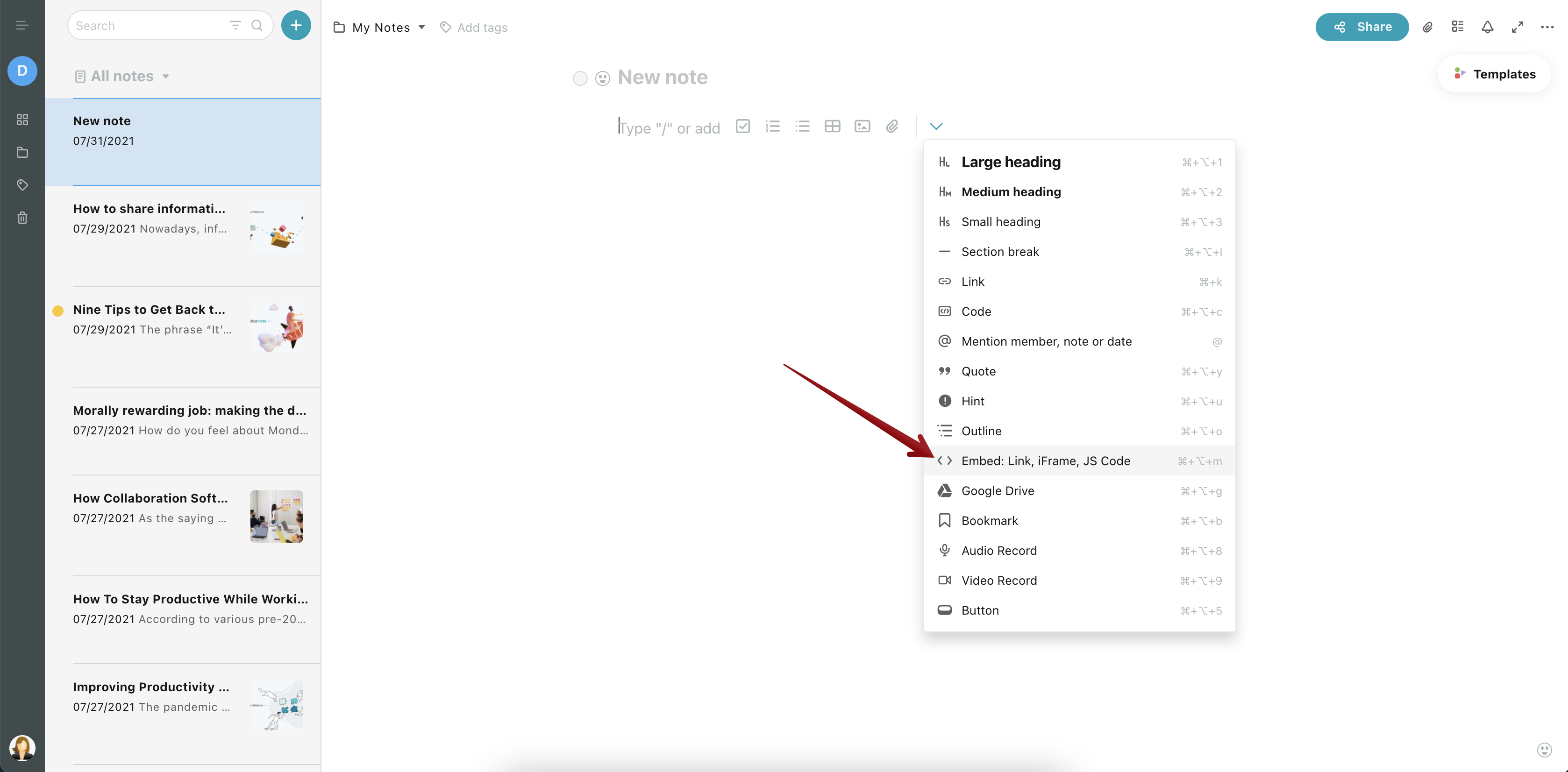
Credit: thefusebase.com
Ideal Users And Use Cases For Fusebase
Fusebase suits teams and individuals aiming to automate teamwork and client collaboration. Its AI-powered workspace simplifies busywork and supports 24/7 intelligent agents. This platform fits users seeking easy automation without heavy technical skills. Fusebase helps streamline workflows with AI-driven tools that save time and reduce manual tasks.
Best Scenarios For Leveraging Ai-driven Workflow Automation
Fusebase excels in automating repetitive and complex tasks. It handles workflows that require constant monitoring and quick responses. Use cases include:
- Automating client communication and follow-ups
- Managing project updates and task assignments
- Data collection and integration from multiple sources
- Real-time alerts and status tracking
The AI agents work around the clock, reducing delays and improving efficiency. Teams can focus on creative and high-value activities.
Suitability For Small Teams And Non-technical Users
Fusebase is ideal for small teams and users with limited technical experience. Its user-friendly design allows easy setup and management of automation without coding.
Key features for non-technical users include:
- Drag-and-drop workflow builder
- Pre-built automation templates
- Simple interface for task monitoring
- AI agents that handle routine tasks independently
This makes Fusebase a practical choice for startups, freelancers, and small businesses.
Recommended Industries And Workflow Types
| Industry | Typical Workflow Types |
|---|---|
| Marketing Agencies | Client onboarding, campaign tracking, content scheduling |
| Consulting Firms | Project management, client reporting, task automation |
| Freelancers & Creatives | Time tracking, invoicing, client communication |
| Small Businesses | Inventory management, order processing, customer support |
Fusebase supports workflows needing continuous updates and quick collaboration. It fits businesses aiming for smarter task handling with AI assistance.
Ideal Users And Use Cases For Airtable
Airtable suits users needing a blend of database flexibility and project management. It fits both small teams and large organizations. The platform supports diverse workflows with ease and clarity. Its design helps users organize data and collaborate effectively.
Ideal users range from creative teams managing content to operations teams tracking inventory. Airtable adapts to different needs with custom views and integrations. Its intuitive interface lowers the learning curve, making it accessible for many.
Optimal Use Cases For Flexible Database Management
Airtable works best for users who require a flexible database that is easy to customize. It handles complex data types without the need for coding skills.
- Tracking assets and inventory
- Managing customer information and CRM
- Organizing events and schedules
- Cataloging products or services
The ability to switch between grid, calendar, and gallery views aids in visualizing data differently. Users can create relational databases that link tables smoothly.
Teams Needing Collaborative Project Tracking And Visualization
Teams benefit from Airtable’s tools for collaborative project management. Features like shared views, comments, and notifications keep everyone aligned.
- Marketing teams tracking campaigns and deadlines
- Product teams managing development stages
- Creative teams organizing content production
- Sales teams monitoring pipelines and targets
Visual project tracking with Kanban boards and Gantt charts aids in understanding progress. Real-time updates reduce communication gaps.
Industries Benefiting From Airtable’s Template And Integration Ecosystem
Airtable offers a broad ecosystem of templates and integrations tailored for various industries. This helps users start quickly and connect with other tools.
| Industry | Common Use Cases | Popular Integrations |
|---|---|---|
| Marketing | Campaign tracking, content calendar, social media planning | Slack, Mailchimp, Google Analytics |
| Education | Student tracking, course scheduling, resource management | Google Classroom, Zoom, Trello |
| Nonprofits | Donor management, event planning, volunteer coordination | Salesforce, Eventbrite, Zapier |
| Tech & Startups | Product roadmaps, bug tracking, user feedback | GitHub, Jira, Slack |
These templates reduce setup time and increase productivity. Integrations automate workflows and sync data across platforms.

Credit: thefusebase.com
Final Thoughts: Choosing Between Fusebase And Airtable
Choosing the right tool for managing workflows can shape productivity and teamwork. Fusebase and Airtable offer distinct features tailored to different work styles. Understanding their differences helps in picking the tool that fits your daily tasks and team needs best.
Summary Of Key Differences And Strengths
| Feature | Fusebase | Airtable |
|---|---|---|
| Core Focus | AI-powered workspaces for teamwork and client collaboration | Flexible database and spreadsheet hybrid for organizing data |
| Automation | 24/7 AI agents automate busywork and workflows | Automation through built-in scripts and third-party integrations |
| User Interface | Streamlined, focused on secure AI collaboration | Highly visual with grid, calendar, Kanban, and gallery views |
| Customization | AI-driven task handling with less manual setup | Strong customization with flexible database structures |
| Collaboration | Designed for real-time teamwork and client interaction | Supports team collaboration with comment and sharing features |
| Best For | Teams needing AI support to reduce repetitive tasks | Users needing versatile data management and visualization |
Decision Guide: Matching Features To Workflow Needs
- Choose Fusebase if your team struggles with repetitive tasks and wants AI to handle busywork.
- Pick Airtable if you need a highly customizable database with multiple views for data visualization.
- Fusebase suits workflows that require secure, AI-driven client collaboration around the clock.
- Airtable fits projects needing flexible project management with spreadsheet-style data control.
- Consider the level of automation: Fusebase offers AI agents for constant support; Airtable relies on integrations and manual setups.
- Review your team’s comfort with AI tools versus traditional database customization.
Future Outlook: Evolving Trends In Smart Workflow Tools
Smart workflow tools are shifting toward greater AI integration and automation. Fusebase’s AI agents reflect this trend, offering continuous task handling without manual effort. Airtable continues to expand its integration ecosystem and improve user customization.
Teams will expect more secure, AI-supported collaboration spaces. Tools blending data management with intelligent automation will gain popularity. Both Fusebase and Airtable show paths toward smarter, more efficient work environments.
Understanding these trends can guide your choice today and prepare your team for tomorrow’s workflow demands.
Frequently Asked Questions
Do People Still Use Airtable?
Yes, many people still use Airtable for its flexible database and project management features. It supports collaboration and integrates well with other tools. Airtable remains popular among businesses and individuals seeking customizable workflow solutions.
What Is Airtable Comparable To?
Airtable compares to monday. com for workflows, ClickUp for customization, Notion for docs and databases, Smartsheet for spreadsheets, and open-source options like Baserow or NocoDB. These alternatives suit various project management, collaboration, and data control needs.
What Are The Disadvantages Of Airtable?
Airtable can get costly with larger teams and advanced features. It has limited offline access and complex automation setup. Users may face scalability challenges and fewer reporting tools compared to dedicated project management software. Integration options sometimes require third-party tools.
Should I Use Notion Or Airtable?
Choose Notion for integrated notes and databases in one workspace. Pick Airtable for powerful, spreadsheet-style database management and automation. Both suit project management but excel in different workflows and customization needs.
Conclusion
Choosing between FuseBase and Airtable depends on your team’s needs. FuseBase offers AI-powered workspaces that automate tasks and improve teamwork. Airtable provides flexible project management with easy database features. Both tools help organize work, but FuseBase focuses more on automation and client collaboration. Airtable shines with customizable views and integrations. Consider your workflow and how much automation you want. Explore FuseBase here to see if it fits your style: FuseBase on AppSumo. Simple, smart choices lead to better productivity.