

Are you torn between choosing FuseBase and Basecamp for managing your projects and team? You’re not alone.
Both tools promise to streamline your work, but they do it in very different ways. What if you could find a solution that not only organizes your tasks but also automates busywork and enhances client collaboration effortlessly? That’s where FuseBase shines. Designed to power your workspace with AI-driven agents working around the clock, FuseBase can transform how you handle teamwork and communication. Curious to see how it stacks up against Basecamp? Dive into this comparison to discover which platform fits your workflow best and why FuseBase might be the game-changer you’ve been searching for. Ready to explore FuseBase now? Check it out here: FuseBase on AppSumo
Introduction To Fusebase And Basecamp
Project management tools shape how teams work and succeed. Fusebase and Basecamp are two popular options designed to improve teamwork and task handling. Understanding their features helps choose the right fit for your projects.
Overview Of Fusebase: Purpose And Core Functionality
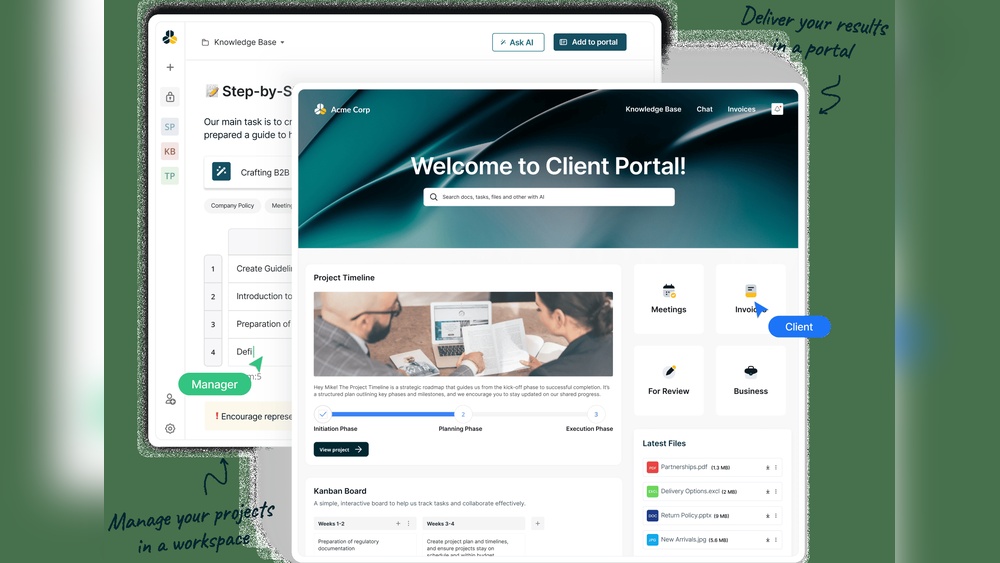
Fusebase is an AI-powered workspace that automates teamwork, client collaboration, and busywork. It operates with 24/7 AI agents to support tasks around the clock. The platform focuses on improving productivity by reducing manual work and streamlining communication.
- Automates routine project tasks and workflows
- Supports secure and collaborative workspaces
- Integrates AI agents for constant assistance
- Enhances client collaboration with real-time updates
Fusebase suits teams seeking to reduce busywork and improve project flow using automation and AI.
Overview Of Basecamp: Purpose And Core Functionality
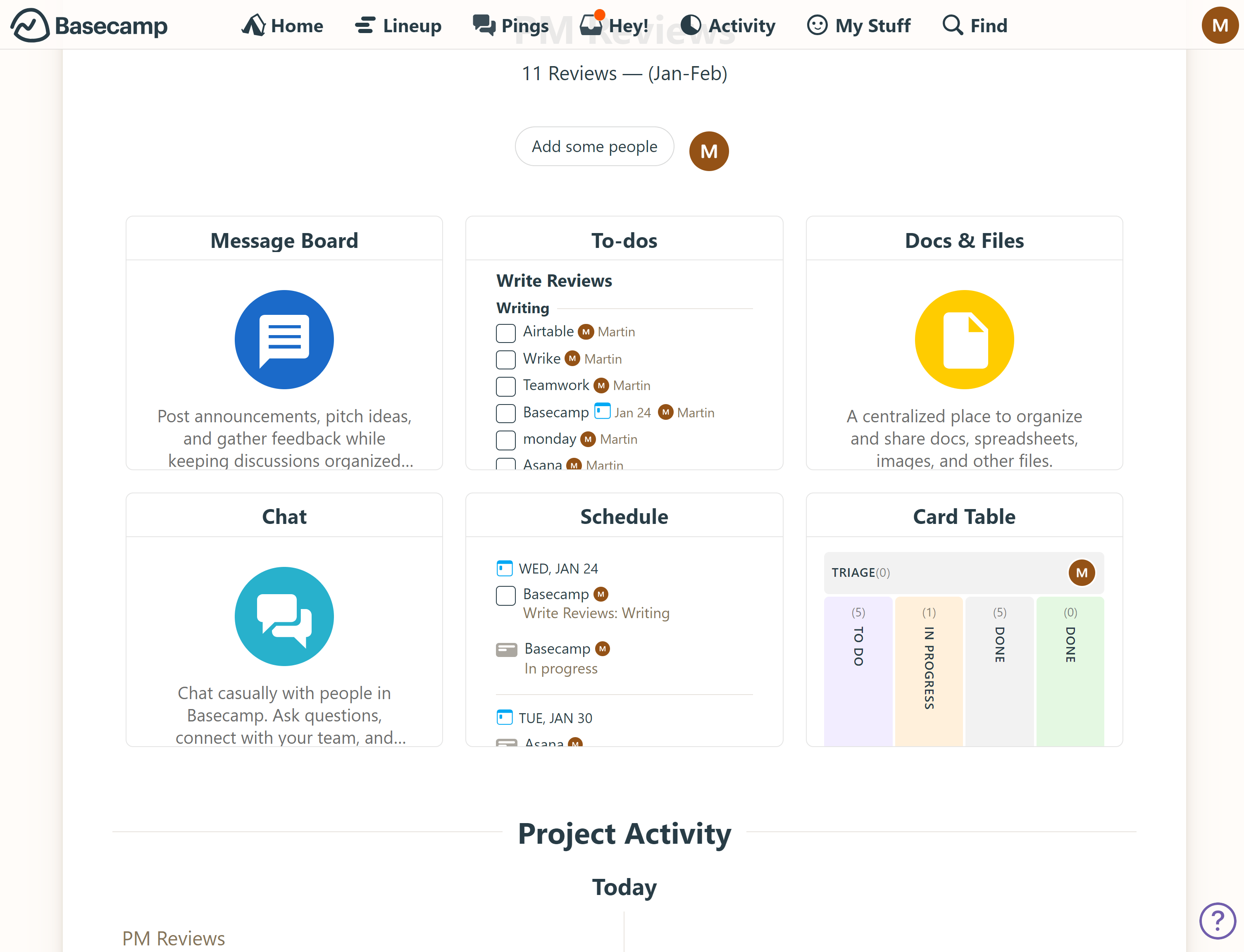
Basecamp is a widely used project management tool focused on simplifying team communication and organization. It combines messaging, file sharing, task tracking, and scheduling in one place.
- Centralizes team discussions and announcements
- Organizes tasks with to-do lists and deadlines
- Shares files and documents easily
- Includes a calendar for important dates and milestones
Basecamp is ideal for teams wanting a clear and simple way to keep projects on track.
Why Compare Fusebase And Basecamp For Project Success?
Both platforms aim to improve project success but use different approaches.
- Automation vs. Simplicity: Fusebase uses AI to automate tasks, while Basecamp offers straightforward tools for communication and organization.
- Collaboration Style: Fusebase supports dynamic client collaboration with AI agents. Basecamp focuses on clear team communication.
- Use Case Fit: Teams with repetitive tasks may benefit from Fusebase’s automation. Teams needing a simple, all-in-one hub may prefer Basecamp.
Comparing these tools helps find the best match for your team’s workflow and goals.
Key Features That Set Fusebase Apart
Fusebase offers a unique set of features designed to automate teamwork and client collaboration effectively. Its AI-powered workspace ensures tasks run smoothly with less manual input. The platform focuses on enhancing efficiency, team communication, and customization. These core strengths make Fusebase stand out compared to Basecamp.
Advanced Task Automation: Enhancing Efficiency And Reducing Manual Work
Fusebase uses AI to automate repetitive tasks across projects. This reduces the need for manual updates and follow-ups.
- Automated task assignments based on team availability and skills
- Smart reminders and deadline alerts
- Auto-updates on task progress without manual input
- Automated reporting to track project status in real time
This advanced automation saves time and minimizes human errors in project management.
Real-time Collaboration Tools: Improving Team Communication And Coordination
Fusebase offers real-time chat and file sharing within its secure workspace. Teams can communicate instantly without switching apps.
- Integrated chat channels for project and client discussions
- Shared document editing to work together on files
- Instant notifications for updates and mentions
- 24/7 AI agents that assist with queries and tasks anytime
These features help teams stay aligned and respond quickly to project needs.
Customizable Dashboards: Tailoring Project Views To User Preferences
Users can create dashboards that match how they like to view project data.
- Drag-and-drop widgets to arrange key metrics and tasks
- Multiple view options: lists, calendars, and Kanban boards
- Custom filters to focus on specific projects or deadlines
- Personalized notifications based on user roles and preferences
Custom dashboards make it easier to track progress and prioritize work effectively.
Integration Capabilities: Connecting With Popular Business Apps Seamlessly
Fusebase connects smoothly with many widely used business tools. This keeps workflows unified without disruption.
| Integration Type | Popular Apps | Benefits |
|---|---|---|
| Communication | Slack, Microsoft Teams | Instant updates and team chats in one place |
| File Sharing | Google Drive, Dropbox | Easy access to documents within projects |
| Calendar | Google Calendar, Outlook | Sync deadlines and meetings automatically |
| CRM & Marketing | HubSpot, Mailchimp | Manage client data and campaigns efficiently |
This seamless integration reduces app switching and streamlines business operations.
Distinctive Features Of Basecamp
Basecamp stands out with its simple and clear approach to project management. It focuses on making teamwork easier and communication smoother. The platform combines essential tools in one place, so teams can work without switching apps. Its design helps reduce confusion and keeps projects on track.
Simplified Project Organization: Centralized Tools For Easy Access
Basecamp groups all project elements in a single, easy-to-navigate space. This setup helps team members find what they need fast. Each project includes:
- To-do lists to track tasks clearly
- Schedules to keep deadlines visible
- Documents and files stored neatly
- Message boards for important discussions
This central hub reduces time spent searching for updates or files. Teams stay focused on work, not on hunting for resources.
Team Messaging And Campfires: Streamlined Communication Channels
Communication happens directly inside projects with Basecamp. It offers two main channels:
- Message Boards: For formal updates and announcements
- Campfires: Quick chat rooms for informal talks and instant questions
This clear split keeps conversations organized. Teams avoid clutter and can easily find past messages. It supports both deep discussions and fast replies.
Automatic Check-ins: Promoting Accountability Without Micromanagement
Basecamp’s automatic check-ins ask team members to share progress regularly. It works like this:
- Managers set simple questions (e.g., “What did you work on today?”)
- Basecamp sends reminders at set times
- Team members reply directly in the app
This method encourages responsibility without constant supervision. Everyone stays informed without lengthy meetings or emails.
Document And File Management: Keeping Resources Organized And Accessible
Files and documents stay organized inside each project. Features include:
| Feature | Benefit |
|---|---|
| Easy Upload and Sharing | Team members add files directly to projects |
| Version Control | Track file updates to avoid confusion |
| Organized Folders | Keep documents sorted by topic or date |
| Access Controls | Limit file access to relevant team members |
These tools keep resources easy to find and secure. Teams spend less time managing files and more time working.

Credit: www.youtube.com
Pricing And Affordability Comparison
Choosing the right project management tool depends heavily on cost and value. FuseBase and Basecamp have different pricing approaches. Understanding these helps decide which fits your budget and needs. This section breaks down their plans, features, and overall affordability.
Fusebase Pricing Structure: Plans, Features, And Value For Money
FuseBase offers tiered plans designed to suit various team sizes and needs.
| Plan | Price (Monthly) | Main Features | Best For |
|---|---|---|---|
| Starter | $15 per user |
| Small teams, freelancers |
| Professional | $30 per user |
| Growing teams, agencies |
| Enterprise | Custom pricing |
| Large organizations |
FuseBase’s pricing scales with user count. It focuses on automation and AI features that reduce manual tasks. Plans provide strong collaboration tools and 24/7 support. This offers good value for teams wanting technology-driven productivity.
Basecamp Pricing Model: Flat Fee And What It Includes
Basecamp uses a simple flat fee pricing model.
- Price: $99 per month
- Users: Unlimited
- Projects: Unlimited
- Includes:
- To-do lists, message boards
- Real-time group chat
- File storage and scheduling
- Client access without extra charges
Basecamp’s flat fee suits teams needing unlimited users and projects. It simplifies budgeting by avoiding per-user charges. The included features cover basic to moderate project management and communication needs.
Cost-benefit Analysis: Which Platform Offers More For Your Budget?
| Aspect | FuseBase | Basecamp |
|---|---|---|
| Pricing Model | Per user, tiered plans | Flat monthly fee |
| Starting Cost | $15 per user/month | $99 per month (unlimited users) |
| Best For | Teams valuing AI automation and client collaboration | Teams needing unlimited users and simple pricing |
| Support | 24/7 agents, priority in higher plans | Standard support |
| Value | High for automation and tailored features | High for unlimited access and straightforward use |
FuseBase fits teams wanting advanced AI tools and don’t mind paying per user. Basecamp suits larger teams or companies with many users needing a flat fee. The choice depends on team size and need for automation.
Pros And Cons Based On Real-world Usage
Understanding the strengths and weaknesses of Fusebase and Basecamp helps in choosing the right tool. Real users share insights on how each platform performs daily. This section highlights key points from actual experiences.
Strengths Of Fusebase: User Experience, Flexibility, And Support
Fusebase earns praise for its intuitive user experience. Users find the interface clean and easy to navigate, reducing the learning curve.
The platform offers high flexibility by automating teamwork and client collaboration within AI-powered workspaces. This allows teams to customize workflows and reduce busywork efficiently.
Support is available 24/7 through AI agents, which users appreciate for quick problem resolution and continuous assistance.
- Simple, modern design
- Customizable automation features
- Round-the-clock AI support
Limitations Of Fusebase: Areas For Improvement And User Feedback
Some users report that Fusebase’s automation setup can be complex initially. It may require time to master all features fully.
Occasional performance delays appear when handling very large projects. This affects workflow speed during peak usage.
Feedback also points to limited third-party integration options compared to competitors.
- Steep learning curve for automation
- Slower response with heavy workloads
- Fewer integrations with other tools
Strengths Of Basecamp: Ease Of Use, Reliability, And Popularity
Basecamp is known for its straightforward setup and easy-to-use interface. Teams can start projects quickly without much training.
The platform is valued for its reliability. It rarely experiences downtime, ensuring constant access to project data.
Basecamp’s popularity means a large user community. This provides ample tutorials, templates, and peer support.
| Strength | Description |
|---|---|
| Ease of Use | Simple interface with minimal setup needed |
| Reliability | Consistent uptime and data security |
| Popularity | Large user base and strong community support |
Limitations Of Basecamp: Common Challenges And User Critiques
Users note Basecamp lacks some advanced customization features for complex projects.
The notification system can be overwhelming, causing users to miss important updates.
Some teams find Basecamp’s task management too basic, limiting detailed tracking and reporting.
- Limited customization for workflows
- Excessive notifications
- Basic task and reporting features

Credit: www.youtube.com
Ideal Users And Use Cases For Fusebase
Fusebase fits teams needing smart automation and strong collaboration tools. It works well for groups that want to reduce busywork and improve teamwork with AI support. The platform suits users who value secure, real-time communication and task management.
Understanding who benefits most from Fusebase helps choose the right tool for your projects. Below are key ideal users and common use cases.
Best For Tech-savvy Teams Needing Advanced Customization
Fusebase offers deep customization options, ideal for teams with technical skills. Users can tailor workflows and automate complex processes easily.
- Developers and IT teams prefer Fusebase for its flexible setup.
- Custom integrations allow fitting the platform exactly to team needs.
- Supports building unique project templates and AI-powered agents.
Such control helps tech-savvy teams streamline operations without sacrificing flexibility.
Ideal For Projects Requiring High Levels Of Automation
Automation is a core strength of Fusebase. It suits projects with repetitive tasks or complex workflows.
| Automation Feature | Use Case |
|---|---|
| AI-Powered Agents | Handles routine communication and task updates 24/7 |
| Workflow Triggers | Automatically moves tasks based on status or deadlines |
| Task Dependencies | Ensures tasks start only after prior steps complete |
Teams save time by automating busywork, focusing on critical project parts.
Use Scenarios Where Real-time Collaboration Is Critical
Fusebase excels in projects needing instant teamwork and clear communication.
- Remote teams working across different time zones.
- Client collaborations requiring immediate feedback.
- Fast-paced environments where delays cause issues.
Real-time updates, chat, and AI support keep everyone aligned and productive.
Ideal Users And Use Cases For Basecamp
Basecamp suits teams and organizations that value simplicity and clear communication. It offers an all-in-one platform designed to keep projects on track without complexity. The tool appeals to groups wanting straightforward workflows and easy collaboration. Basecamp’s pricing model also attracts those who prefer predictable costs for project management.
Best For Small To Medium Teams Seeking Simplicity
Basecamp works well for small to medium-sized teams that want a simple way to manage tasks and projects. It does not overwhelm users with too many features. Teams can quickly set up projects, assign tasks, and share files.
- Easy-to-use interface with minimal learning curve
- Basic task management combined with messaging
- Good for teams needing quick project overviews
This makes Basecamp ideal for teams aiming to avoid complex software. It helps maintain focus on core work without distractions.
Ideal For Organizations Prioritizing Centralized Communication
Basecamp centralizes all team communication in one place. It removes the need to switch between multiple apps for chats, emails, or file sharing. Users can:
- Use message boards to discuss projects
- Share documents and files easily
- Track deadlines and milestones clearly
This setup benefits organizations that want to keep conversations, tasks, and files together and accessible. It reduces missed messages and confusion.
Use Cases Favoring Flat-rate Pricing And Predictable Costs
Basecamp offers a simple pricing plan with a flat monthly fee. This suits businesses that:
- Have fluctuating team sizes but want consistent costs
- Prefer budgeting with no surprise fees
- Need access for unlimited users under one price
| Feature | Benefit |
|---|---|
| Flat Monthly Fee | Cost remains the same regardless of user count |
| Unlimited Projects and Users | Supports growing teams without extra charges |
| No Hidden Fees | Budgeting is simple and predictable |
This pricing style works best for organizations aiming to manage costs easily while supporting all team members.
Conclusion: Choosing Between Fusebase And Basecamp For Project Success
Deciding between Fusebase and Basecamp shapes your project’s future. Both tools support teamwork and task management, yet they serve different needs. Understanding their strengths helps select the right fit. This section clarifies key differences and guides your choice for effective project delivery.
Summarizing Key Differences And Benefits
| Feature | Fusebase | Basecamp |
|---|---|---|
| Automation | AI-powered workspace with 24/7 agents | Basic task and communication tools |
| Team Collaboration | Streamlines client collaboration and busywork | Focuses on team discussions and file sharing |
| User Interface | Modern, AI-driven, designed for efficiency | Simple, easy to use, classic layout |
| Security | Secure workspaces with automated support | Standard security features |
| Best For | Teams needing automation and AI assistance | Small to medium teams seeking straightforward tools |
Decision-making Tips Based On Team Needs And Project Goals
- Assess team size: Fusebase suits teams using AI to reduce busywork. Basecamp fits small teams needing basic collaboration.
- Consider project complexity: Complex projects benefit from Fusebase’s automation. Simple projects run well on Basecamp.
- Evaluate client interaction: Fusebase enhances client collaboration with AI tools. Basecamp keeps communication simple and direct.
- Review budget constraints: Basecamp offers cost-effective basic features. Fusebase may require investment for advanced AI.
- Prioritize security: Fusebase provides secure, AI-powered environments. Basecamp has standard security suitable for general use.
Final Thoughts On Long-term Project Management Success
Choosing the right tool impacts team productivity and project outcomes over time. Fusebase’s AI-driven automation reduces repetitive tasks and supports continuous workflow improvement.
Basecamp delivers reliable, straightforward project management for teams valuing simplicity. Both platforms foster collaboration but differ in approach and features.
Match the tool to your team’s workflow style and project demands. This alignment drives consistent success and smooth project delivery.
Credit: thefusebase.com
Frequently Asked Questions
What Is Replacing Basecamp?
ClickUp, Asana, Trello, and monday. com commonly replace Basecamp. Each offers unique features for project management and collaboration.
What Is The Alternative To Basecamp?
Popular Basecamp alternatives include ClickUp, Asana, Trello, and monday. com. These tools offer task management, collaboration, and project planning features tailored to various team needs.
Is Basecamp Better Than Monday?
Basecamp suits simple, team-focused projects with basic tools. Monday offers more customization and advanced features for diverse workflows. Choose based on your project’s complexity and collaboration needs.
Which Is Better, Trello Or Basecamp?
Trello excels in visual task management with Kanban boards, ideal for simple workflows. Basecamp offers comprehensive team communication and project organization. Choose Trello for flexibility and Basecamp for all-in-one collaboration. Your choice depends on team size and project complexity.
Conclusion
Choosing between FuseBase and Basecamp depends on your team’s needs. FuseBase offers AI-powered automation to reduce busywork. Basecamp focuses on simple, centralized project management. Both tools improve teamwork and client collaboration. Consider your workflow, budget, and feature preferences carefully. For an efficient AI-driven workspace, explore FuseBase here: FuseBase on AppSumo. This link provides more details and exclusive offers. Take time to compare features before deciding. The right tool can boost your team’s productivity and ease daily tasks.
