


Are you torn between SendFox and Substack for your email marketing needs? Choosing the right platform can make or break your connection with your audience.
You want a tool that’s easy to use, lets you grow your list, and helps you earn without complicated fees or restrictions. But how do you know which one fits your goals better? You’ll discover the key differences between SendFox and Substack—what makes each unique, and why many creators are reconsidering their choices. If you’re ready to find the best platform to power your newsletter, keep reading and see why SendFox might be the game-changer you’ve been searching for.
Introduction To Sendfox And Substack
Email newsletters have become key tools for creators, marketers, and writers. Two popular platforms, Sendfox and Substack, help users build and manage newsletters. Each platform serves different needs and audiences. Understanding their purpose and target users is vital before choosing one.
Overview Of Sendfox: Purpose And Target Audience
Sendfox is designed for small businesses, solopreneurs, and content creators. Its main goal is to offer an affordable, easy-to-use email marketing tool. Sendfox focuses on simplicity and automation, helping users grow their email lists without complex features.
- Ideal for beginners and budget-conscious users
- Offers automation to save time
- Supports simple newsletters and email campaigns
- Targets marketers who want straightforward email outreach
Overview Of Substack: Purpose And Target Audience
Substack aims at independent writers and journalists who want to publish newsletters and monetize their audience. It provides a platform for paid subscriptions and direct reader support. Substack appeals to creators focused on content quality and community building.
- Best for writers, journalists, and bloggers
- Enables paid subscription models
- Focuses on content publishing over marketing
- Supports building a loyal reader base
The Rise Of Newsletter Platforms And Their Impact
Newsletter platforms like Sendfox and Substack have changed how creators reach audiences. They offer direct communication without social media algorithms. This builds stronger, more personal connections.
Recent trends show many writers moving away from some platforms due to concerns about content policies and platform focus. For example, Substack faced criticism for hosting controversial content and shifting toward social media features. This made some creators seek simpler, more focused tools.
| Trend | Impact |
|---|---|
| Direct audience engagement | Stronger creator-reader bonds |
| Shift in platform focus | Creators prefer platforms focused on publishing or marketing |
| Content moderation concerns | Some creators leave platforms hosting controversial content |
Key Features Comparison: Sendfox Vs Substack
Comparing Sendfox and Substack reveals their distinct approaches to email marketing and newsletter publishing. Each platform offers unique tools for creators to build audiences, send content, and grow their businesses. This section breaks down their key features and benefits to help understand their core differences.
Sendfox’s Unique Features And Their Benefits
Sendfox focuses on simplicity and affordability for email marketing. It offers essential tools without complicated setups or high costs.
- Unlimited Emails: Send unlimited emails each month to your subscribers.
- Simple Automation: Easy-to-use automation sequences to engage your audience.
- One-Time Fee: Pay once for lifetime access, making it budget-friendly.
- Built for Creators: Designed specifically for solo creators and small teams.
- Integrations: Connects smoothly with popular platforms like Zapier.
These features help users send newsletters quickly and keep costs low. The platform is ideal for beginners who want a straightforward email tool.
Substack’s Unique Features And Their Benefits
Substack blends newsletter publishing with community and monetization tools.
- Paid Subscriptions: Easy setup for paid newsletters and membership tiers.
- Built-in Audience: Discoverability through Substack’s network and algorithm.
- Rich Publishing: Supports posts with images, audio, and podcast integration.
- Community Tools: Features like comments and “Notes” for reader interaction.
- Simple Monetization: Takes a small cut from subscription earnings.
Substack suits writers seeking to build paid audiences and foster community engagement.
How Each Platform Addresses Content Creation And Distribution
| Aspect | Sendfox | Substack |
|---|---|---|
| Content Creation |
|
|
| Distribution |
|
|
| Content Control |
|
|
Sendfox prioritizes simple email delivery without distractions. Substack blends publishing with social features and monetization. Each suits different creator goals and content styles.
Content Moderation And Platform Policies
Content moderation and platform policies play a crucial role in shaping newsletter platforms. They affect what creators can publish and how audiences engage. Both SendFox and Substack have distinct approaches to moderation that impact creators differently. Understanding these differences helps in choosing the right platform for your email marketing needs.
Substack’s Content Moderation Challenges And Creator Concerns
Substack faces significant challenges in content moderation. The platform has hosted newsletters with controversial and extreme content, including white supremacist and neo-Nazi viewpoints. This has sparked dissatisfaction among creators.
- Algorithmic amplification promotes inflammatory content such as conspiracies and transphobia.
- Creators feel Substack has shown a lack of action against extreme viewpoints.
- Substack is shifting from a publishing tool to a social media-like platform, focusing on engagement features like “Notes.”
- This shift makes the platform feel unfriendly to creators who want to focus on independent content.
Many writers leave due to these moderation issues and a sense that Substack prioritizes engagement over quality publishing.
Sendfox’s Approach To Content Moderation
SendFox offers a simpler, creator-focused approach to content moderation. It emphasizes support for independent email marketing without heavy interference. The platform’s policies are clear and less restrictive, allowing creators to publish freely.
- SendFox focuses on email newsletter growth without pushing social features.
- The moderation is primarily aimed at preventing spam and abuse, not controlling content themes.
- This approach keeps the platform friendly and easy to use for creators.
SendFox’s moderation style helps maintain a clean, creator-first environment suitable for focused email marketing.
Impact Of Moderation Policies On Newsletter Success
| Aspect | Substack | SendFox |
|---|---|---|
| Content Freedom | Moderate, but controversial content causes creator concerns | More freedom, focused on preventing spam |
| Audience Growth | Algorithm may promote inflammatory content, risking reputation | Organic growth through email, no aggressive algorithms |
| Creator Experience | Shift towards social features may distract creators | Simple, email-focused with fewer distractions |
| Platform Stability | Ongoing debates on moderation affect trust | Stable environment with clear rules |
Moderation policies directly affect newsletter success. Excessive controversy on Substack can hurt reputation and audience trust. SendFox’s clear, light moderation supports steady growth and creator focus.

Credit: helloaudio.fm
User Experience And Platform Focus
User experience and platform focus shape how creators interact with tools like Sendfox and Substack. These aspects affect ease of use, creator satisfaction, and the overall success of newsletters. Understanding each platform’s approach reveals why some creators prefer one over the other.
Substack’s Shift From Publishing To Social Media And Its Effects
Substack started as a simple platform for independent writers to publish newsletters. Now, it is shifting toward a social media model. Features like Notes and a dedicated app push engagement and interaction over traditional newsletter publishing.
This shift causes concern among many creators. Some feel Substack prioritizes algorithmic amplification of controversial content, including extremist viewpoints. The platform’s moderation policies have led to dissatisfaction. Writers want a focused publishing tool, not a social media site.
- Content moderation struggles with controversial material
- Algorithm promotes inflammatory posts for engagement
- Creators feel less control over their content
These changes make Substack less attractive for those wanting a pure newsletter experience.
Sendfox’s Focus On Independent Creators And Newsletter Simplicity
Sendfox targets independent creators seeking straightforward email marketing. Its design keeps things simple, focusing on newsletter creation and distribution without distractions. This simplicity attracts users who want to build an audience easily.
| Sendfox Features | Benefits for Creators |
|---|---|
| Easy-to-use interface | Fast newsletter setup |
| Affordable pricing | Accessible for small creators |
| Focus on email marketing | Minimal distractions, pure content delivery |
Sendfox avoids complex social features, keeping the focus on email reach and creator independence.
How Platform Focus Influences Creator Satisfaction
Creators choose platforms that match their goals. Substack’s social shift may suit those wanting engagement and community. Others prefer Sendfox’s clear focus on newsletters and ease.
Satisfaction depends on:
- Control over content and audience
- Platform simplicity vs. features
- Alignment with creator values
Many creators value a clean, distraction-free platform. Sendfox delivers that with its email marketing focus. Substack’s broader social tools may frustrate creators who want just a publishing space.
Customization And Technical Capabilities
Customization and technical features shape how newsletters stand out and connect with readers. A platform’s tools for design and functionality directly affect a creator’s ability to build a unique brand. These factors also impact how easily users manage their content and engage their audience.
Customization Options In Sendfox: Enhancing Newsletter Identity
Sendfox offers several customization features that help create a distinct newsletter identity. Users can:
- Choose from various email templates
- Modify colors, fonts, and layouts
- Add personal branding elements like logos and images
- Use simple drag-and-drop editors for ease of use
These options allow creators to maintain a consistent visual style. The platform supports technical customization such as:
- Integrations with other marketing tools
- Automation features for sending campaigns
- Analytics to track performance and engagement
Sendfox balances ease and flexibility, making it suitable for users without deep technical skills.
Customization Limitations In Substack And Their Implications
Substack offers a more basic customization experience. Key limitations include:
- Limited template choices with minimal design controls
- Few options for changing fonts, colors, or layout structure
- Restricted ability to add custom branding elements
Substack focuses more on content delivery than visual design. Technical capabilities are also limited:
- Minimal integration options with third-party tools
- No built-in automation for advanced email sequences
- Basic analytics that cover only open and click rates
These constraints can make it hard for creators to stand out visually or fully optimize their email marketing.
Why Customization Matters For Newsletter Growth And Engagement
Customization plays a key role in growing a newsletter audience and keeping readers interested.
- Brand Recognition: Unique designs make newsletters memorable.
- Reader Experience: Clear, attractive emails encourage readers to open and interact.
- Content Alignment: Customization lets creators match style with their message.
- Professionalism: Well-designed emails build trust and credibility.
- Technical Efficiency: Automation and integrations save time and improve targeting.
Without strong customization tools, newsletters risk blending in with many others. Creators may struggle to build a loyal subscriber base or boost engagement rates. Platforms like Sendfox that offer more design freedom and technical features give creators better chances to grow their audience effectively.

Credit: www.sendthesignals.com
Monetization And Revenue Models
Monetization plays a key role in choosing an email marketing platform. Creators want clear options to earn revenue from their content. Both SendFox and Substack offer monetization tools but with different models and limits. Understanding these differences helps creators pick the best fit for their goals.
Sendfox’s Monetization Features And Opportunities
SendFox provides simple, cost-effective monetization options for creators. It focuses on helping users build and monetize email lists without heavy fees. Key features include:
- No platform fees on paid subscriptions or sales
- Direct integration with payment processors (like PayPal, Stripe)
- Easy to create and sell digital products or newsletters
- Flexible pricing and no revenue sharing
Creators keep 100% of what they earn, which increases their income potential. SendFox suits creators who want full control over their sales and payments. It also supports growing audiences with affordable pricing plans.
Substack’s Revenue Sharing And Monetization Constraints
Substack offers a straightforward subscription model but with notable constraints. Important points include:
- Substack charges a 10% fee on all paid subscriptions
- Stripe payment processing fees apply (around 2.9% + 30¢ per transaction)
- Limited options beyond paid newsletters, mainly subscriptions
- Monetization tied closely to Substack’s platform features
This revenue sharing reduces creators’ total income. Substack’s model suits writers focused on subscription newsletters but limits other earning methods. The platform’s focus on engagement can also impact monetization.
How Monetization Flexibility Affects Creator Income
Monetization flexibility directly impacts how much creators earn and how they grow.
| Aspect | SendFox | Substack |
|---|---|---|
| Revenue Share | No fees, creators keep 100% | 10% platform fee plus Stripe fees |
| Payment Control | Direct payment integration | Handled through Substack only |
| Monetization Options | Paid newsletters, product sales, flexible pricing | Primarily paid newsletters |
| Platform Focus | Email marketing and list growth | Subscription-based newsletter with social features |
Creators with flexible monetization can diversify income streams. They avoid high fees and gain more control over payments. Platforms with strict revenue models limit earnings and growth options.
Pricing And Affordability Analysis
Understanding pricing helps choose the right email marketing tool. SendFox and Substack offer distinct pricing models suited for different needs. This section breaks down their costs and value for money. It helps creators and businesses decide based on budget and goals.
Sendfox Pricing Structure And Value For Money
SendFox uses a simple, flat pricing plan. It offers one paid plan with unlimited emails.
| Plan | Price | Email Sends | Subscribers | Key Features |
|---|---|---|---|---|
| Pro Plan | $49 per month | Unlimited | Up to 10,000 | Automation, integrations, no SendFox branding |
SendFox offers great value for small to medium lists. The flat fee means no surprise charges. Unlimited emails let users send as often as needed. This suits creators wanting steady email growth without scaling costs.
Substack Pricing And Its Impact On Creators
Substack works on a revenue-sharing model. It charges 10% commission on subscription earnings.
- No upfront fees or monthly costs.
- Creators keep 90% of subscription revenue.
- Payment processing fees apply (Stripe fees of about 2.9% + 30¢ per transaction).
This model lowers barriers to entry. Creators pay only when they earn money. It fits writers with paying subscribers. However, fees can add up for large audiences or high subscription prices.
Comparing Cost Efficiency For Different Types Of Users
| User Type | SendFox | Substack |
|---|---|---|
| New Creators with Small Lists | May pay fixed $49/month even with few subscribers. | Pay nothing until earning revenue; cost-efficient. |
| Growing Creators with 1,000+ Subscribers | Fixed cost helps predict budget, no extra fees. | 10% cut grows with earnings; can become costly. |
| Large Audience with Paid Subscriptions | Flat fee offers savings if sending many emails. | Pay significant fees on revenue share and processing. |
SendFox suits users wanting simple, predictable costs. Substack fits creators focusing on paid subscriptions without upfront costs. Each platform’s pricing works best for different business models.
Pros And Cons Based On Real-world Usage
Choosing the right newsletter platform depends on practical experience. Both Sendfox and Substack offer unique benefits and challenges. Understanding their strengths and weaknesses from user feedback helps creators decide which tool fits their needs best.
Advantages Of Using Sendfox For Newsletter Creators
- Cost-effective: Sendfox offers affordable pricing with essential email marketing features.
- User-friendly interface: Easy setup and simple design tools help beginners start quickly.
- Automation features: Allows scheduling and automated email sequences without complexity.
- Focus on email marketing: Designed specifically for newsletter creation without distractions.
- Good deliverability: High email delivery rates ensure messages reach subscribers reliably.
Drawbacks Of Sendfox From User Feedback
- Limited integrations: Few third-party app connections compared to bigger platforms.
- Basic analytics: Reporting tools lack depth for advanced data insights.
- No built-in monetization: Creators must use external tools to monetize newsletters.
- Occasional bugs: Some users report minor glitches in the interface or email sending.
Advantages Of Using Substack For Newsletter Creators
- Monetization made easy: Built-in subscription payments help creators earn directly.
- Strong community features: Enables interaction through comments and discussions.
- Simple publishing: Clean writing interface focused on content creation.
- Large user base: Access to a broad audience interested in newsletters.
- Free to start: No upfront cost; Substack takes a small cut from earnings.
Drawbacks Of Substack From User Feedback
- Content moderation issues: Platform hosts controversial and extremist content, causing discomfort.
- Algorithm favors engagement: Promotes inflammatory posts, affecting content quality.
- Shift toward social media: New features push engagement over independent publishing.
- Creator unfriendly changes: Some feel the platform neglects newsletter-focused creators.
- Limited customization: Design options are minimal compared to other platforms.
Ideal Users And Use Cases For Each Platform
Choosing the right newsletter platform depends on your goals and audience. SendFox and Substack serve different user needs. Understanding their ideal users helps you pick the best fit.
Who Should Choose Sendfox: Best Scenarios And User Types
SendFox suits creators who want a simple, cost-effective tool for email marketing. It works well for:
- Small business owners wanting to build customer lists.
- Bloggers seeking easy newsletter creation without complex features.
- Marketers focused on straightforward email campaigns.
- Content creators needing automation for subscriber growth.
The platform offers a clean interface and affordable pricing. It is great for users who prefer less distraction and more control over email lists.
Who Should Choose Substack: Best Scenarios And User Types
Substack fits writers focused on building a paid subscriber base. It is ideal for:
- Independent journalists wanting to monetize their work.
- Authors and essayists aiming for direct reader support.
- Newsletters with a strong voice seeking audience engagement.
- Creators who want integrated publishing and social features.
Substack mixes newsletter publishing with social interaction. It suits users who accept platform moderation and algorithmic content promotion.
Making The Right Choice Based On Your Newsletter Goals
| Goal | SendFox | Substack |
|---|---|---|
| Simple email marketing | Easy-to-use tool, low cost, email automation | Less focused on marketing, more on writing |
| Monetizing newsletter content | Limited monetization options | Built-in paid subscriptions |
| Audience engagement | Basic subscriber management | Social features and comments |
| Content control and moderation | Full control over emails | Subject to platform policies and algorithms |
Choose SendFox for straightforward campaigns and list growth. Pick Substack for monetized newsletters and community interaction.
Conclusion: Which Platform Wins For Newsletter Success?
Choosing the right newsletter platform shapes your reach and impact. SendFox and Substack offer distinct paths for creators. Both serve email marketing but differ in focus, features, and community experience. This section breaks down their key differences, offers recommendations, and glimpses into the future of newsletter platforms.
Summary Of Key Differences And Strengths
| Feature | SendFox | Substack |
|---|---|---|
| Primary Use | Email marketing for creators and small businesses | Independent publishing and newsletter subscriptions |
| Content Moderation | Minimal controversy, straightforward policies | Controversial moderation; presence of extreme content |
| User Experience | Simple, focused on email creation and delivery | Includes social features like “Notes”; shifting focus |
| Creator Focus | Supports creators who want control over email lists | Mixed experience; some creators feel less supported |
| Monetization | Basic email marketing tools; less emphasis on subscriptions | Built-in subscription and payment options for writers |
Final Recommendations For Creators
SendFox suits creators who want simple, affordable email marketing. It fits those who value control and clear policies. The platform avoids complex social features, keeping focus on newsletters.
Substack fits writers who want to build paid subscriber bases. Creators comfortable with social features and some platform risks find value here. Watch for moderation and content concerns if you choose Substack.
- Choose SendFox for straightforward email marketing with minimal distractions.
- Pick Substack to monetize newsletters through subscriptions.
- Consider your comfort with platform policies and community culture.
Looking Ahead: The Future Of Newsletter Platforms
Newsletter platforms will continue evolving to meet creator needs. Expect better tools for monetization and audience growth. Content moderation will remain a key issue.
Platforms like SendFox may focus on simplicity and reliability. Substack might expand social features but face creator pushback.
Creators must watch trends and choose platforms that align with their goals and values.
Credit: memberful.com
Frequently Asked Questions
Why Is Everyone Leaving Substack?
Many leave Substack due to concerns over content moderation, political extremism, and a shift toward social media features. Creators also face limited customization, lack of monetization options, and dissatisfaction with algorithm-driven engagement prioritizing growth over individual needs.
Is There Anything Better Than Substack?
Better alternatives to Substack include Ghost for customization, Beehiiv for growth tools, ConvertKit for automation, Patreon for fan support, and MailerLite for affordability and website building. Choose based on your specific newsletter goals and budget.
What Is The Downside Of Substack?
Substack’s downsides include limited customization, lack of diverse monetization options, a 10% fee, and concerns over content moderation and platform focus shifts.
Who Owns Sendfox?
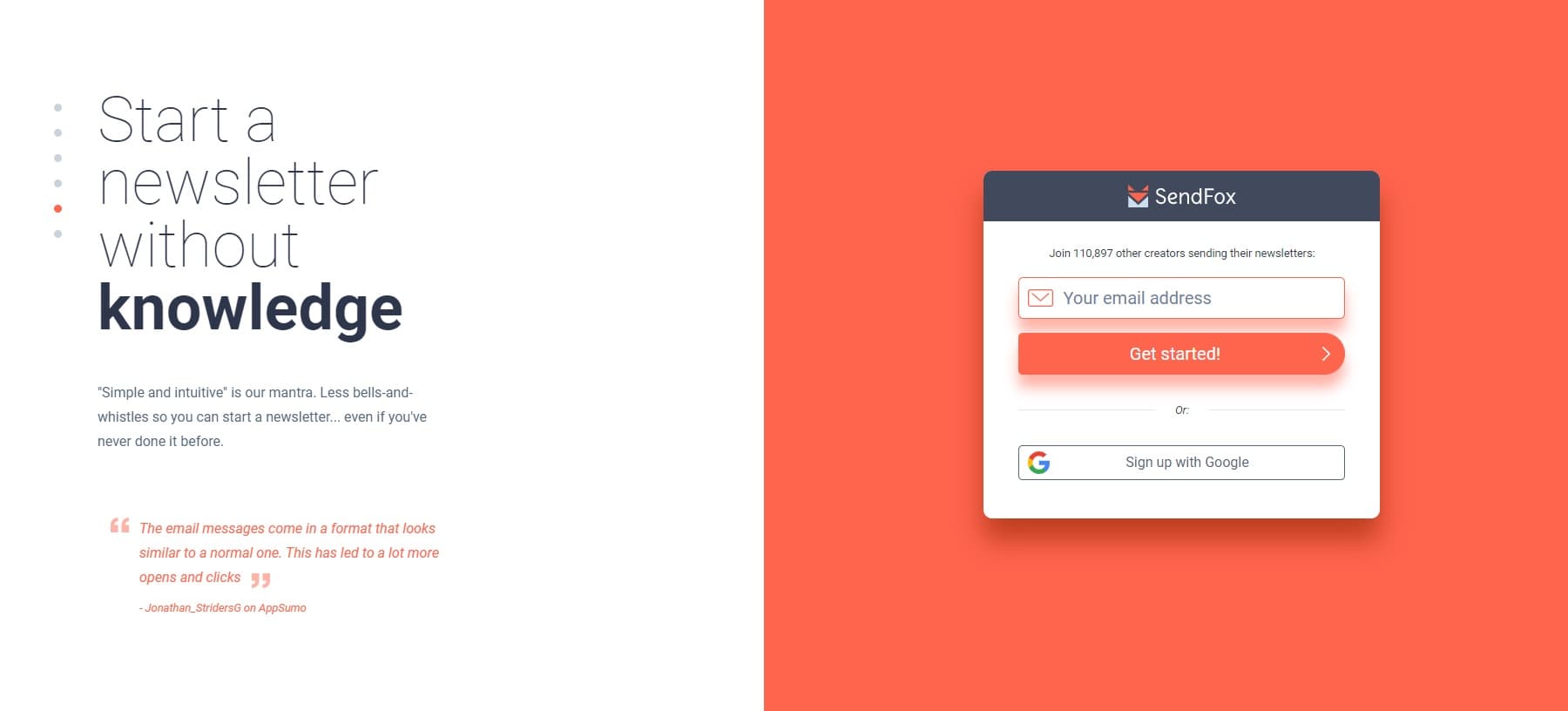
SendFox is owned by AppSumo, a company based in Austin, Texas. They focus on tools for digital creators.
Conclusion
Choosing between SendFox and Substack depends on your email marketing needs. SendFox offers simple tools and affordable pricing for creators. Substack focuses more on social features but has moderation and customization challenges. Many users prefer SendFox for its straightforward approach and fewer restrictions. Consider how much control and simplicity you want in your newsletter platform. Explore SendFox’s features yourself by visiting SendFox on AppSumo. This way, you can decide which platform fits your style and goals best.
