Are you looking for a simple way to reach your customers and grow your small business? Email marketing might be exactly what you need.
It’s a powerful tool that helps you connect directly with your audience, build trust, and boost sales without breaking the bank. But with so many options out there, how do you choose the right one for your business? That’s where SendFox comes in. Designed specifically for small businesses, SendFox makes creating and sending effective emails easy and affordable. Ready to see how email marketing can transform your business? Check out SendFox here: SendFox and start growing your audience today. Keep reading to learn why email marketing works and how you can get started fast!
Introduction To Email Marketing For Small Businesses
Email marketing remains a powerful way for small businesses to reach customers directly. It offers a cost-effective, measurable method to share news, offers, and updates. Many small businesses rely on email to build relationships and grow sales. This introduction highlights why email marketing matters and which tools can help you start.
Why Email Marketing Is Essential For Small Businesses
Email marketing delivers messages straight to customers’ inboxes. It allows small businesses to stay in touch without spending much money. Here are key reasons it is essential:
- Direct communication: Connect with your audience personally and instantly.
- High return on investment: For every dollar spent, email can return $36 or more.
- Customer retention: Keep your brand top-of-mind with regular updates.
- Easy to track: Measure open rates, clicks, and conversions easily.
- Customizable messages: Tailor emails based on customer preferences.
Small businesses gain strong advantages by using email marketing to build trust and loyalty.
How Email Marketing Boosts Sales And Customer Engagement
Email marketing helps increase sales and deepen customer engagement by:
- Promoting offers: Share special deals and discounts directly.
- Driving traffic: Link emails to your website or product pages.
- Encouraging feedback: Use surveys or polls to involve customers.
- Sharing valuable content: Provide tips, news, or stories related to your products.
- Personalizing messages: Send birthday wishes or recommendations based on past purchases.
By engaging customers consistently, small businesses can boost repeat sales and grow word-of-mouth.
Overview Of Popular Email Marketing Platforms For Small Businesses
Choosing the right email marketing platform is vital. Below is a table of popular tools and their key features suited for small businesses:
| Platform | Main Features | Pricing | Best For |
|---|---|---|---|
| SendFox | Simple automation, easy design, low cost | Affordable flat-rate pricing | Small businesses starting email marketing |
| Mailchimp | Automation, analytics, multiple templates | Free tier available, scalable plans | Growing businesses needing advanced tools |
| MailerLite | Drag-and-drop editor, automation, landing pages | Free for up to 1,000 subscribers | Businesses seeking simplicity and value |
| Constant Contact | Event marketing, social integration, templates | Monthly subscription | Small businesses focused on events and promotions |
SendFox stands out for its easy use and budget-friendly pricing, ideal for beginners.
Key Features Of Effective Email Marketing Tools
Effective email marketing tools help small businesses save time and reach customers better. They offer features that simplify campaign creation, improve targeting, and measure results. Choosing the right tool can boost your email success and grow your audience.
Automation: Streamlining Campaigns For Maximum Efficiency
Automation allows you to set up email campaigns that send automatically based on triggers. This saves time and ensures emails reach customers at the right moment.
- Schedule welcome emails for new subscribers
- Send follow-ups after purchases or website visits
- Automate birthday or anniversary greetings
Automation helps maintain consistent communication without manual work. It keeps your audience engaged and nurtures leads steadily.
Segmentation: Targeting The Right Audience For Higher Conversion
Segmentation divides your email list into groups based on interests, behavior, or demographics. This allows sending tailored messages that fit each group’s needs.
- Group customers by purchase history
- Send offers based on location or age
- Target inactive subscribers with re-engagement emails
Segmented emails get better open and click rates. They create a personal touch that encourages action.
Analytics And Reporting: Measuring Success And Optimizing Strategies
Analytics show how your emails perform with data on opens, clicks, and conversions. This insight helps improve future campaigns.
| Metric | Why It Matters |
|---|---|
| Open Rate | Shows how many people read your email |
| Click-Through Rate | Measures engagement with links inside the email |
| Conversion Rate | Tracks actions like purchases or sign-ups |
| Bounce Rate | Indicates email delivery issues |
Use reports to test different subject lines and content styles. This makes your campaigns stronger over time.
User-friendly Design: Drag-and-drop Builders And Customizable Templates
User-friendly design features help create professional emails without coding skills. Drag-and-drop builders and templates speed up the design process.
- Choose from pre-made layouts
- Customize colors, images, and text easily
- Preview emails on desktop and mobile devices
These tools let small businesses produce attractive emails fast, saving time and effort.
Ai-powered Content Assistance: Enhancing Email Personalization
AI-powered content assistance helps write and optimize email copy. It suggests improvements for subject lines, body text, and calls to action.
- Generate personalized email content
- Optimize language for better engagement
- Save time on writing and editing
AI tools improve email relevance and increase the chance customers will respond.
Pricing And Affordability Breakdown
Choosing the right email marketing service depends heavily on pricing and affordability. Small businesses must balance cost with features to get true value. This section explores the pricing options for email marketing tools and how they fit small business budgets.
Comparing Free Vs. Paid Email Marketing Plans
Free plans often suit businesses just starting with email marketing. They provide basic tools like limited email sends, simple templates, and basic subscriber management.
Paid plans unlock advanced features such as automation, detailed analytics, and higher sending limits. They also usually remove branding from emails.
- Free Plans: Limited subscribers and sends, fewer templates, basic support.
- Paid Plans: More subscribers, unlimited sends, premium templates, and better support.
For example, SendFox offers a simple free option and affordable paid plans focused on small business needs.
Cost-effectiveness For Small Business Budgets
Small businesses often work with tight budgets. Email marketing costs must fit without cutting into other expenses.
Many platforms, including SendFox, design pricing to be cost-effective for small businesses. They offer:
- Low monthly fees
- Flexible plans to match different list sizes
- Features that reduce the need for extra marketing tools
Using email marketing wisely can generate high returns by boosting customer engagement and sales.
Understanding Pricing Models: Subscription, Pay-as-you-go, And Tiered Plans
Email marketing services use different pricing models. Knowing these helps pick the best option.
| Pricing Model | Description | Benefits for Small Businesses |
|---|---|---|
| Subscription | Fixed monthly fee for a set number of subscribers or emails. | Predictable costs and access to full features. |
| Pay-As-You-Go | Pay for emails sent without monthly commitment. | Good for irregular or low-volume campaigns. |
| Tiered Plans | Different levels based on number of subscribers or emails. | Scales with business growth; start small, upgrade later. |
SendFox uses a subscription model with tiered pricing, making it easy to upgrade as lists grow.

Credit: www.mainstreetroi.com
Pros And Cons Of Popular Email Marketing Platforms
Email marketing platforms vary in features, pricing, and ease of use. Small businesses must weigh these factors carefully. Choosing the right platform can boost engagement and save time. Each platform has its strengths and limitations, depending on business needs.
Mailchimp: Strengths And Limitations
Mailchimp is widely known for its user-friendly interface and powerful automation tools. It offers a free plan suitable for small lists and integrates with many apps.
- Strengths: Easy drag-and-drop builder, advanced analytics, and robust automation.
- Limitations: Pricing grows quickly with list size, limited customer support on free plans.
Mailchimp fits small businesses aiming to grow with data-driven marketing.
Hubspot: Benefits For Small Business Growth
HubSpot combines email marketing with a full CRM system. This helps small businesses manage contacts and track customer journeys.
- Benefits: Integrated CRM, personalized emails, and detailed performance reports.
- Marketing automation is simple, but advanced features require paid plans.
Ideal for businesses wanting to align marketing with sales efforts.
Mailerlite And Moosend: Affordable Alternatives
MailerLite and Moosend offer budget-friendly options with solid features. Both platforms include automation, templates, and easy list management.
| Feature | MailerLite | Moosend |
|---|---|---|
| Free Plan | Up to 1,000 subscribers | Up to 1,000 subscribers |
| Automation | Basic to advanced workflows | Visual automation builder |
| Templates | Many customizable templates | Responsive email templates |
| Pricing | Starts low, scales moderately | Competitive pricing with features |
Both tools suit small businesses seeking value without complex setups.
Specialized Tools For Cold Emails Vs. Newsletter Campaigns
Email marketing divides into two main types: cold emailing and newsletter campaigns. Platforms specialize differently.
- Cold Email Tools: Focus on outreach, personalized sequences, and tracking replies. Example: Emailchaser.
- Newsletter Platforms: Designed for sending regular updates to opted-in subscribers. Examples: Mailchimp, HubSpot.
Choosing the right tool depends on your email goals and audience type.
Proven Tips To Boost Sales With Email Marketing
Email marketing remains one of the most effective tools for small businesses to increase sales. With the right strategies, emails can turn prospects into loyal customers. Focus on building strong connections through thoughtful messages. Use simple methods to engage your audience and encourage them to act.
Building And Maintaining A Quality Email List
Start with a clean, targeted email list. Quality matters more than quantity. Collect emails from customers who show real interest. Use signup forms on your website and social media pages. Offer something valuable in return, like a discount or free guide.
- Regularly remove inactive or invalid emails
- Segment your list by customer interests or behavior
- Use double opt-in to ensure genuine subscribers
Maintaining a quality list improves deliverability and engagement rates.
Crafting Engaging Subject Lines And Content
The subject line is the first impression. Make it clear and appealing. Avoid long or vague phrases. Use action words and create curiosity.
- Keep subject lines under 50 characters
- Personalize when possible, like using the recipient’s name
- Test different styles to see what works best
Inside the email, focus on concise, valuable content. Use bullet points and short paragraphs for easy reading. Include images or graphics sparingly to support your message.
Timing And Frequency: When To Send Emails For Maximum Impact
Send emails when subscribers are most likely to open them. Common high-engagement days are Tuesday, Wednesday, and Thursday. Mid-morning or early afternoon often works well.
| Day | Best Time to Send | Reason |
|---|---|---|
| Tuesday | 10 AM – 11 AM | After Monday rush, before midweek fatigue |
| Wednesday | 1 PM – 2 PM | Optimal engagement during lunch breaks |
| Thursday | 9 AM – 10 AM | End of the workweek focus |
Limit sending frequency to 1-2 emails per week. Too many emails cause unsubscribes and reduce trust.
Using Personalization And Dynamic Content To Increase Engagement
Personalized emails feel more relevant and build trust. Use subscriber names and past purchase details. Dynamic content changes based on user data, like location or interests.
- Address recipients by their first name
- Recommend products based on previous buys
- Show different offers for different segments
Tools like SendFox simplify personalization with easy-to-use templates and automation.
Incorporating Clear Calls To Action To Drive Conversions
Every email needs a clear call to action (CTA). Tell subscribers exactly what to do next. Use buttons or highlighted text for CTAs.
- Make CTAs stand out with color and size
- Use action words like “Buy Now,” “Get Discount,” or “Sign Up”
- Place CTAs above the fold and at the end of the email
Strong CTAs guide readers and increase sales.

Credit: broadly.com
Recommendations For Ideal Users And Scenarios
Email marketing suits many small businesses with varied needs. It works well for startups, growing companies, and local shops facing tough competition. Choosing the right approach and tools helps maximize results. Below are tips tailored for different business stages and types.
Best Practices For Startups And New Small Businesses
Startups should focus on building a quality email list. Collect contacts through website sign-ups and social media. Use simple, clear emails that introduce your brand.
- Send welcome emails to new subscribers immediately.
- Keep content short and relevant to your audience.
- Use a consistent schedule to stay on customers’ minds.
Tools like SendFox offer affordable, easy-to-use solutions for beginners. They include drag-and-drop editors and automation features that save time.
Scaling Email Marketing Efforts As Your Business Grows
As your business grows, expand your email strategies. Segment your list based on customer behavior and preferences. Personalize emails to improve engagement.
- Automate follow-ups to nurture leads without extra work.
- Analyze email metrics to refine campaigns over time.
- Test subject lines and content to boost open rates.
Switching to platforms with advanced analytics and integrations supports scaling. Choose tools that grow with your list size and campaign complexity.
Choosing The Right Platform Based On Business Needs And Size
| Business Size | Key Needs | Recommended Features | Example Platform |
|---|---|---|---|
| Startup / Small | Simple setup, low cost | Drag-and-drop editor, basic automation | SendFox |
| Growing Small Business | Segmentation, analytics | Advanced automation, reporting | Mailchimp, HubSpot |
| Medium Business | Integrations, customization | CRM integration, A/B testing | GetResponse, ActiveCampaign |
Match platform features to your current needs. Upgrade as your business and list size increase.
Leveraging Email Marketing For Local Businesses In Competitive Markets
Local businesses benefit from targeted, personalized emails. Highlight unique offers and events to attract nearby customers.
- Use geo-targeting to send location-based promotions.
- Feature customer testimonials to build trust.
- Promote local events and partnerships to increase visibility.
Consistent branding and clear calls to action help you stand out. Platforms like SendFox make local email marketing simple and affordable.
Conclusion: Maximizing Small Business Success With Email Marketing
Email marketing remains a powerful tool for small businesses. It helps build strong relationships, boost sales, and grow brand awareness. With the right strategies, small businesses can reach their audience directly and affordably. Using platforms like SendFox simplifies the process by offering easy tools to create, send, and track emails.
Summary Of Key Benefits And Strategies
- Cost-effective communication: Email marketing saves money compared to traditional ads.
- Personalized messaging: Tailor emails to customer interests and behaviors.
- Increased engagement: Well-designed emails encourage clicks and sales.
- Automation: Schedule campaigns to send timely messages without manual effort.
- Clear metrics: Track open rates, clicks, and conversions to measure success.
Key strategies include building a clean email list, creating valuable content, and testing different formats. Consistency in sending emails also builds trust and keeps customers connected.
Encouragement To Experiment And Adapt Email Campaigns
Every small business has unique customers. Testing various email styles helps find what works best. Try different subject lines, images, and calls to action. Monitor results and make changes based on data.
- Use A/B testing to compare versions.
- Adjust sending times based on engagement.
- Segment your list to send targeted messages.
- Incorporate feedback from customers.
Adapting email campaigns leads to better results and stronger customer loyalty.
Next Steps For Implementing An Effective Email Marketing Plan
- Choose the right platform: Select tools like SendFox for easy setup and automation.
- Build your list: Collect emails through website forms, events, and social media.
- Create quality content: Write clear, engaging emails focused on your audience’s needs.
- Set goals: Define what success looks like, such as more sales or website visits.
- Launch and monitor: Send campaigns regularly and track performance to improve.
Following these steps helps small businesses create effective email marketing plans that grow their customer base and increase revenue.
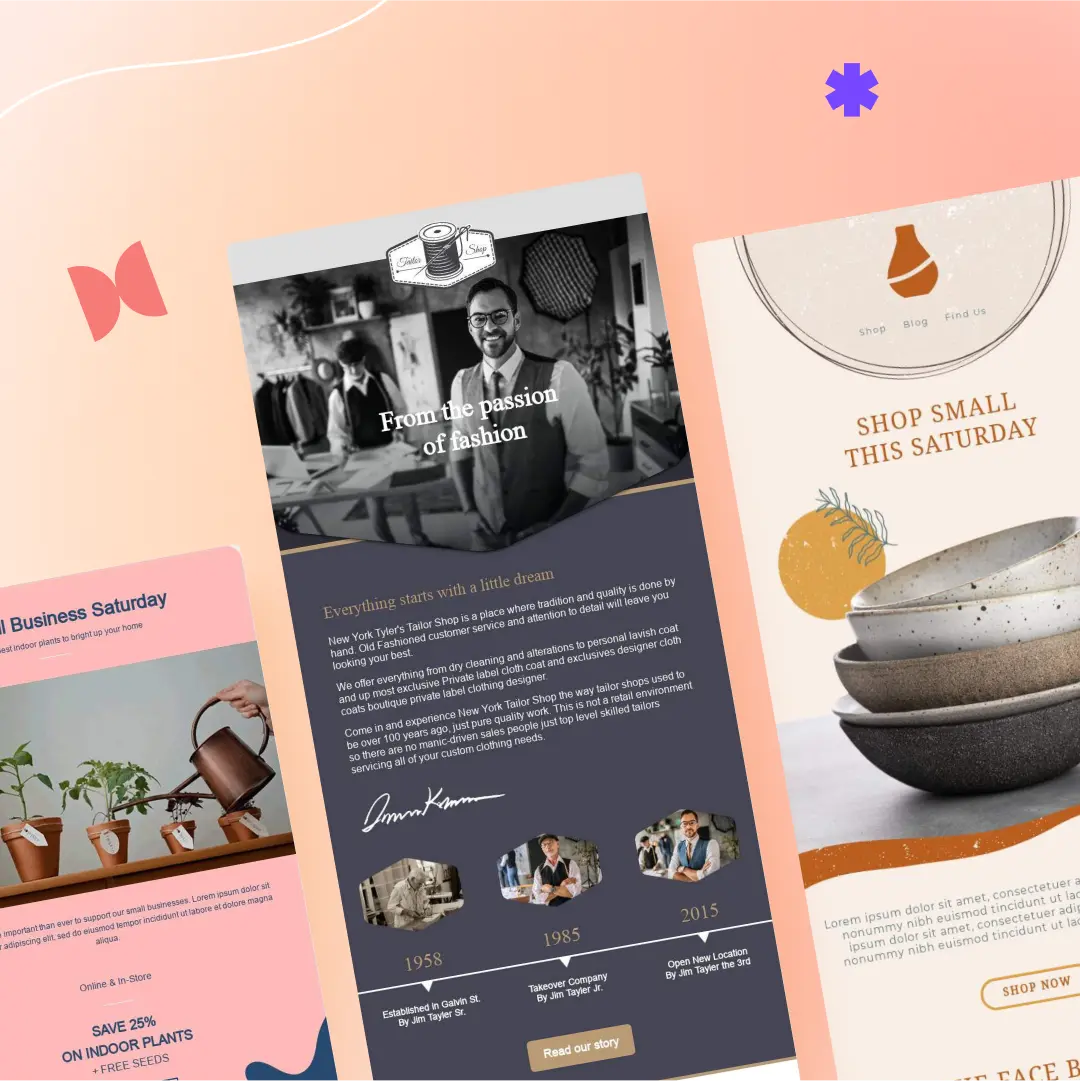
Credit: beefree.io
Frequently Asked Questions
What Is The Best Email Marketing For A Small Business?
The best email marketing for small businesses includes Mailchimp, HubSpot, and MailerLite. These offer automation, segmentation, and affordable pricing. They help build customer relationships, boost engagement, and increase sales effectively. Choose platforms with easy-to-use templates and real-time analytics for better results.
What Is The 60 40 Rule In Email?
The 60/40 rule in email means 60% of content should be valuable and informative, while 40% promotes products or services.
What Is The 3 Email Rule?
The 3 email rule means sending up to three follow-up emails after the initial contact. It balances persistence without annoying recipients. This approach increases response rates and improves email marketing success for small businesses.
What Is The Rule Of 7 In Email Marketing?
The Rule of 7 in email marketing states prospects need to see your message at least seven times before taking action. It builds trust and brand awareness.
Conclusion
Email marketing helps small businesses stay connected with customers. It builds trust and encourages repeat sales. Simple tools make sending emails easy and affordable. Choosing the right platform matters for success. SendFox offers user-friendly features perfect for small businesses. Try SendFox to simplify your email marketing efforts: SendFox. Start growing your business with clear, direct emails today.